


TL;DR (Too Long; Didn’t Read)
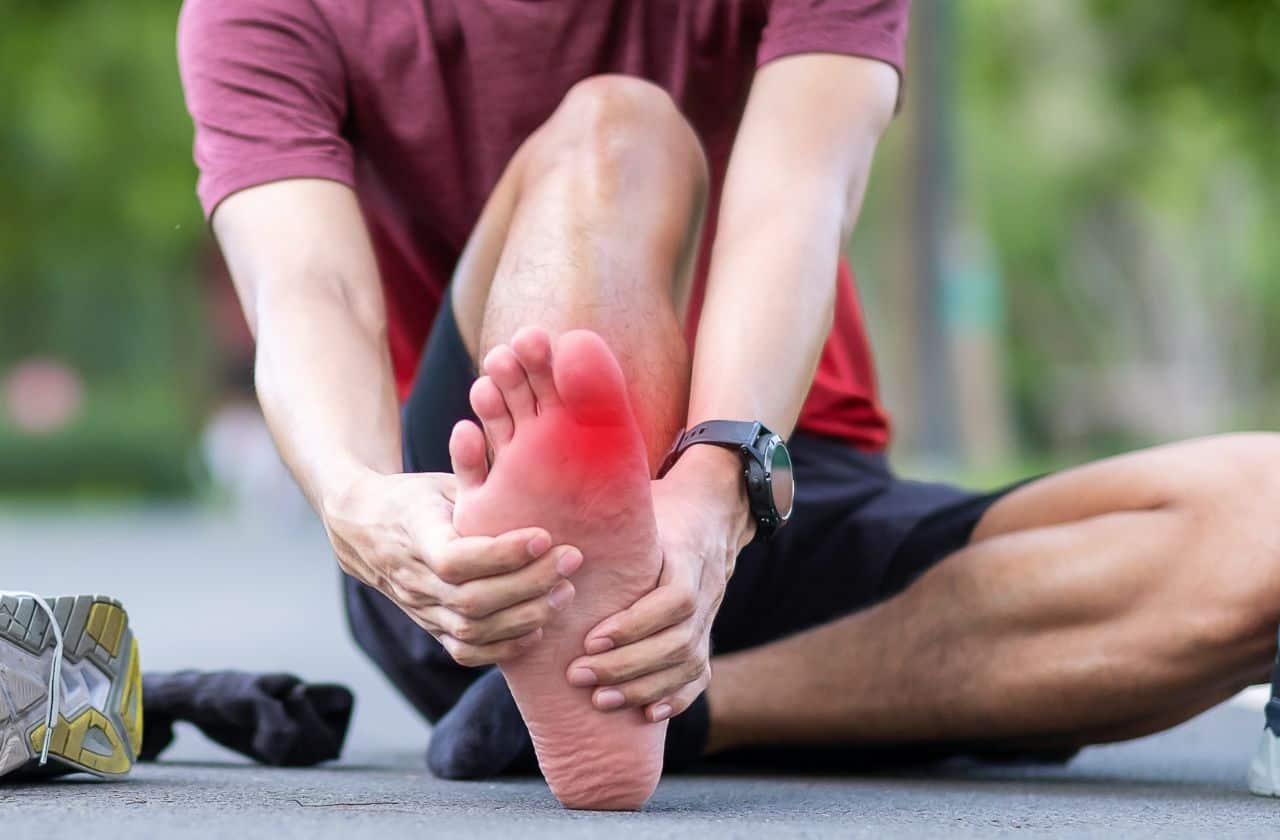
Sesamoiditis is a painful condition caused by inflammation of the small sesamoid bones located under the big toe joint. It often develops gradually due to overuse, high-impact activity, poor footwear, or biomechanical issues rather than a sudden injury. Symptoms include pain under the ball of the foot, stiffness in the big toe, and discomfort when walking or pushing off.
Treatment focuses on reducing pressure, supporting the foot, and allowing the bones and surrounding tendons to settle. This may include footwear changes, custom orthotics, activity modification, shockwave or laser therapy, and in some cases, a CAM walker (moon boot). Early assessment by a podiatrist can prevent long-term pain and help you return to comfortable movement sooner.
What Is Sesamoiditis and Why Does It Cause Foot Pain?
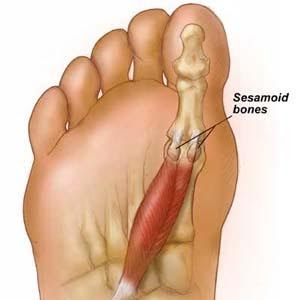
If you are experiencing pain under the ball of your foot, particularly beneath the big toe joint, sesamoiditis may be the cause. Sesamoiditis is an inflammatory condition affecting the sesamoid bones, two small pea-sized bones embedded within the tendon beneath the big toe joint.
Unlike most bones in the body, sesamoid bones are not connected directly to other bones. Instead, they sit within a tendon and act like pulleys, helping absorb weight-bearing forces and assisting the big toe during walking, running, and jumping.
Because these bones play a critical role in propulsion, they are exposed to significant pressure. Over time, this repetitive load can lead to irritation and inflammation, even without a single traumatic injury.
Understanding Sesamoid Anatomy
To understand why sesamoiditis can be so painful, it helps to know how this area of the foot works.
The sesamoid bones sit underneath the first metatarsophalangeal joint, which is the joint at the base of your big toe. Every time you take a step, push off, climb stairs, or run, your body weight passes through this joint.
The sesamoids help:
- Absorb impact forces
- Protect the big toe joint
- Improve leverage for the big toe muscles
- Stabilise the forefoot during movement
When these bones or the surrounding tendon become irritated, even simple activities like walking barefoot or wearing thin-soled shoes can become uncomfortable.
4 Common Causes of Sesamoiditis
Sesamoiditis rarely comes out of nowhere. In most cases, it develops gradually due to ongoing stress placed on the forefoot.
Overuse and Repetitive Stress

Activities that involve repeated forefoot loading significantly increase the risk of sesamoiditis. This includes:
- Running, especially on hard surfaces
- Sports that involve jumping or sprinting
- Dancing, particularly ballet and contemporary dance
- Occupations requiring long hours on your feet
Over time, the constant pressure irritates the sesamoid bones and surrounding soft tissue.
Foot Structure and Biomechanics
Your natural foot shape can play a major role in developing sesamoid pain. You may be more prone if you have:
- High arches, which increase pressure under the ball of the foot
- Limited big toe joint mobility
- A tendency to load the inside of the forefoot
- Poor shock absorption during gait
Biomechanical imbalances often mean the sesamoids are working harder than they should.
Footwear Choices
Shoes that offer little forefoot cushioning or support can aggravate sesamoid pain. Common culprits include:
- Thin-soled shoes
- High heels
- Worn-out runners
- Tight or narrow footwear that increases forefoot pressure
Without proper support, the sesamoids take the full brunt of ground reaction forces.

Sudden Increase in Activity
A rapid change in training intensity or volume can overload the sesamoids before the tissues have time to adapt. Starting a new exercise routine, returning to sport after a break, or increasing running mileage too quickly are all common triggers.
Symptoms of Sesamoiditis

Sesamoiditis symptoms usually build gradually rather than appearing suddenly.
Common signs include:
- Pain under the ball of the foot, beneath the big toe
- Tenderness when pressing on the area
- Pain during push-off when walking
- Difficulty bending the big toe
- Increased discomfort when barefoot or in thin shoes
In some cases, the pain may be mistaken for a stress fracture, arthritis, or neuritis which is why professional assessment is important.
How sesamoiditis is diagnosed
At Advance Foot Clinic Podiatry, diagnosis begins with a thorough clinical assessment. Your podiatrist will:
- Discuss your activity levels and footwear habits
- Assess your walking and running pattern
- Examine big toe joint movement
- Palpate the sesamoid bones to localise pain
Imaging such as X-rays, ultrasound, or MRI may be used to rule out fractures, arthritis, or other conditions affecting the forefoot.
Treatment Options for Sesamoiditis
The goal of treatment is to reduce pressure on the sesamoids, calm inflammation, and restore normal movement.
Footwear Modification
Supportive footwear is one of the most important steps in managing sesamoiditis. Shoes with:
- Cushioned soles
- A slight rocker bottom
- Adequate forefoot width
can significantly reduce pressure under the big toe joint.
Orthotic Therapy
Custom orthotics are commonly prescribed to offload the sesamoid bones and correct biomechanical issues. These devices redistribute pressure across the foot and reduce strain during walking and standing.
Activity Modification
Reducing or temporarily avoiding high-impact activities allows inflammation to settle. Low-impact alternatives such as cycling or swimming may be recommended during recovery.
Shockwave Therapy
Shockwave therapy stimulates blood flow and accelerates tissue repair. It is particularly effective for chronic sesamoid pain that has not responded to rest alone.
Laser Therapy
Low-level laser therapy helps reduce inflammation and pain while promoting healing of soft tissues around the sesamoid bones.
Using a CAM Walker (Moon Boot) for Sesamoiditis
In moderate to severe cases, a Controlled Ankle Motion (CAM) walker, commonly known as a medical moon boot, may be recommended.
A CAM walker helps by:
- Immobilising the forefoot
- Reducing pressure under the big toe joint
- Allowing inflamed tissues to settle
- Protecting the sesamoids during weight-bearing
Unlike a cast, a CAM walker is adjustable and removable, making it more practical for daily life. Your podiatrist will advise how long the boot should be worn based on your symptoms and activity level.

Recovery Time and What to Expect
Recovery from sesamoiditis varies depending on severity and how early treatment begins. Mild cases may improve within weeks, while long-standing cases may take several months to fully settle.
Following your podiatrist’s advice on footwear, orthotics, and activity levels is key to preventing recurrence.
When to see a Podiatrist

You should seek podiatry care if:
- Pain persists for more than a week
- Walking becomes uncomfortable
- Pain worsens with activity
- Rest does not relieve symptoms
- You feel sharp pain under the big toe joint
Early treatment leads to better outcomes and reduces the risk of chronic forefoot pain. With the right care, support, and offloading strategies, sesamoid pain can be effectively managed so you can return to moving comfortably and confidently.
The experienced podiatrists at Advance Foot Clinic Podiatry provide expert assessment and tailored treatment plans across Brisbane and Mount Isa.