


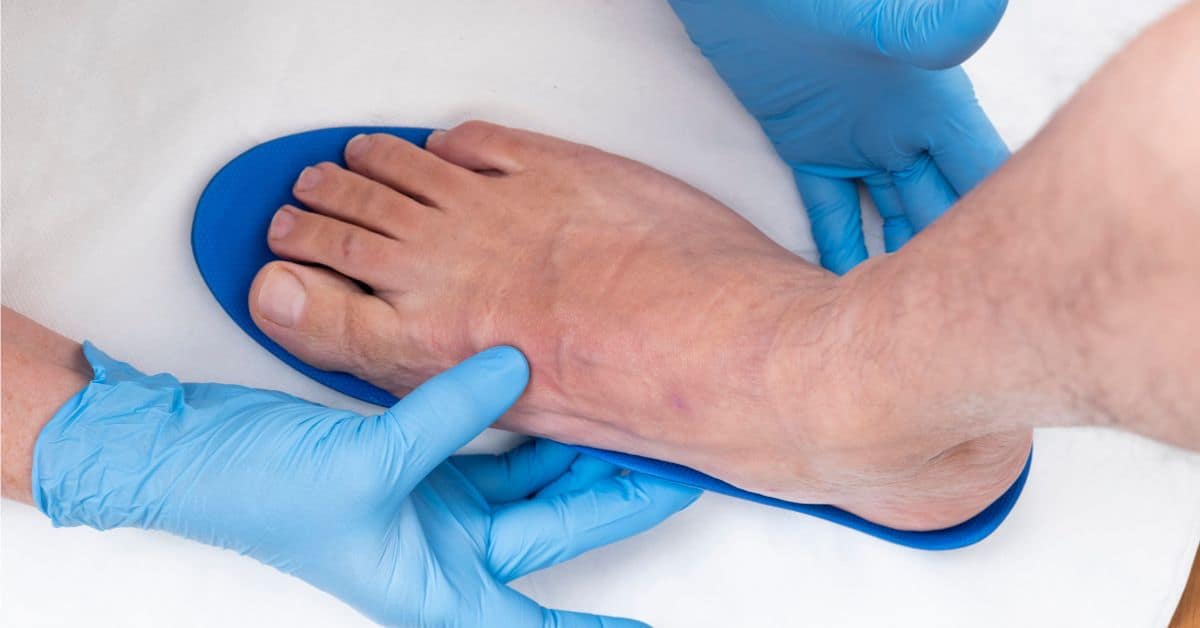

Learning how to break in new orthotics is key to staying comfortable and getting the best results from your new medical device. Start by wearing them for short periods and gradually increase time each day.
Mild discomfort is normal at first, but pain or blistering is not. Correct footwear, consistency, and guidance from a podiatrist will help you adjust smoothly and avoid issues when breaking in new orthotics.
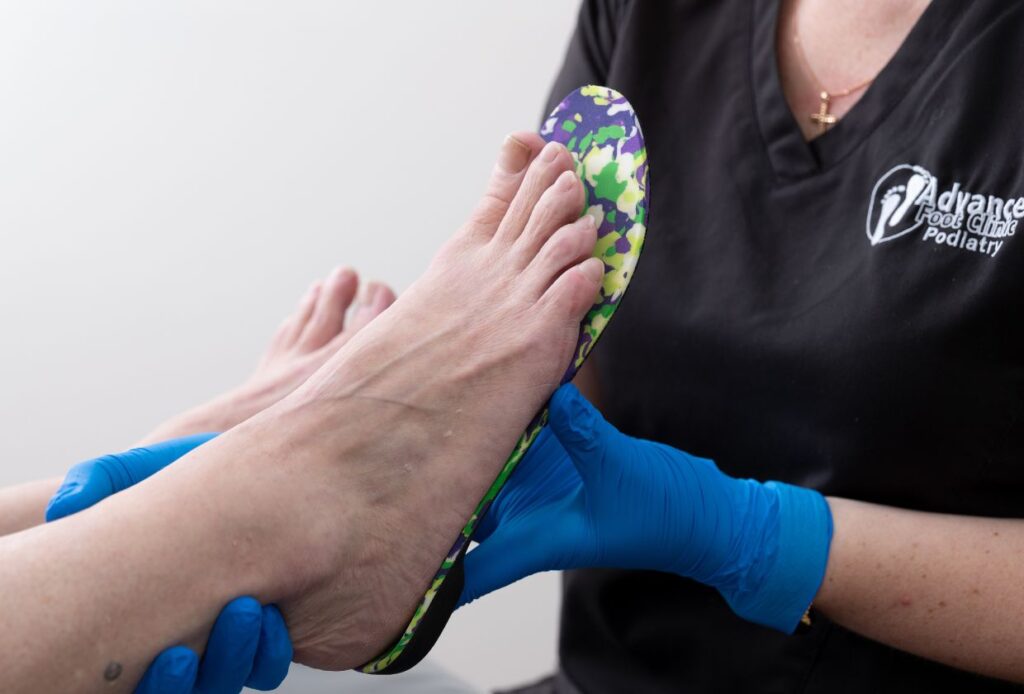
TL;DR (Too Long; Didn’t Read)
If you have just been prescribed orthotics, you might be wondering how to break in new orthotics without discomfort. Orthotics are designed to change how your feet function, so it takes time for your body to adapt.It can take anywhere from a few days to a month to wear in new orthotics.
Jumping straight into full-day wear can lead to soreness, so a gradual approach is always best.
Why Orthotics Need a Break-In Period
Understanding how to break in new orthotics starts with knowing why the adjustment period matters.
Orthotics work by:
- Redistributing pressure across your feet
- Supporting your arches
- Improving alignment of your ankles, knees, and hips
Because of these changes, your muscles and joints need time to adapt. This is especially important if you have been dealing with pain or abnormal movement patterns for a long time.Muscles and tendons which have been taking on too much load can finally rest, however structures which have been underutilised are now taking on more of the work, and will need to build up strength and capacity.
Step-by-Step Guide to Breaking In Orthotics
Following a structured plan is the best way to learn how to break in new orthotics comfortably:
Days 1 to 3
- Wear your orthotics for 1 to 2 hours per day maximum
- Use them during light activity like walking around the house
- Remove them if aching/discomfort arises, even if it’s only after 30 minutes
- Extend the wear-in period as needed until you can wear them for 2 hours per day. This may take 1 day or it may take 1-2 weeks.

Days 4 to 7
- Only progress if you have comfortably worn the orthotics for 2 hours per day for at least 3 days in a row
- Increase wear time to 3 to 4 hours per day
- Start wearing them outside the house for short outings
- Continue to monitor comfort levels

Week 2
- Progress to this stage if you have been able to wear the orthotics for 4 hours per day comfortably for at least 4 days in a row
- Gradually build up to 5 to 6 hours per day
- Begin using them during work or longer periods on your feet
Week 3 and Beyond
- Aim for full-day wear if comfortable
- Use them during normal daily activities
- If you have worn them comfortably all-day for at least one week, you can now wear them during exercise
- At this stage the orthotics are considered “broken in” and can be worn around the clock
Consistency is key when learning how to break in new orthotics, but always listen to your body and do not rush things. You will get the best results following your body’s comfort levels, rather than a strict timeline. Some patients will be able to wear their orthotics comfortably all day straight away, whereas some people may take multiple months to get to that point.

What to Expect During the Adjustment Period
It is normal to notice some changes as your body adapts.
You may experience:
- Mild muscle soreness in the feet or calves
- A feeling of pressure under the arch of your foot
- Slight changes in posture or walking pattern
These symptoms should improve as your body adjusts. If they worsen or persist, it may indicate the orthotics need adjustment. Blisters, skin irritation or extreme pain are not normal and you should stop wearing the orthotics and return to your prescribing podiatrist.
Call 1300 76 33 66
Tips for a Smoother Break-in
To make how to break in new orthotics easier, follow these practical tips.

Wear Them with the Right Shoes
Orthotics work best in stable, structured footwear. Your podiatrist will have designed your orthotics to suit one or two pairs of your shoes. It is important that you only use the orthotics in the shoes your podiatrist has advised. While not wearing your orthotics, support your feet in recovery thongs/slides or supportive, comfortable shoes. Avoid dress shoes, high heels, or very flexible shoes during the break-in period for the best chance of success.
Alternate Shoes Carefully
If you switch between different pairs of shoes, ensure they have all been fitted to your orthotics. If going out for the day, ensure you take the shoe’s original insoles with you, so that you can swap this back in when you remove your orthotics. Additionally, make sure you remove the insole again when putting your orthotics back in. Never place the orthotics directly on top of the insole.
Stick to the Schedule
Gradually increasing wear time helps prevent overload and allows your body to adapt naturally. Give the muscles and tendons time to adapt to prevent sudden overload and tissue stress leading to unnecessary pain.

Pay Attention to Your Body
Some discomfort is expected, but sharp or ongoing pain is not. Do not push through significant pain and instead return to your podiatrist for an orthotic adjustment.

Keep Feet Healthy
Maintaining good foot hygiene and skin care can prevent irritation while adjusting to orthotics. Healthy, well moisturised skin is less likely to develop callus or blisters. Make sure you are wearing breathable comfortable socks and lacing your shoes evenly to prevent your foot from sliding around in the shoes.
Common Mistakes to Avoid
When figuring out how to break in new orthotics, there are a few common mistakes to watch out for.
- Wearing them all day immediately
- Using them in unsupportive footwear or footwear the orthotics were not designed to fit in
- Ignoring pain or discomfort
- Not following your podiatrist’s advice
Avoiding these mistakes can make the transition much smoother.
How Podiatrists Help
Podiatrists play a key role in ensuring you understand how to break in new orthotics properly.
They can:
- Provide a personalised break-in schedule
- Check the fit and function of your orthotics
- Make adjustments if needed
- Monitor your progress and symptom improvement
- Offer advice on suitable footwear
Regular follow-ups can help ensure your orthotics are working as intended.Your podiatrist will usually schedule a one-month follow-up appointment after dispensing orthotics, but it is important you come in sooner if you believe you are experiencing pain or discomfort outside of the normal wear-in process.

When to Seek Help from a Podiatrist
While some discomfort is normal, you should contact your podiatrist if:
- Pain persists beyond a few weeks
- You develop new areas of discomfort
- The orthotics are sliding in the shoes
- You notice rubbing, blisters, or skin irritation
Understanding how to break in new orthotics is essential for comfort and long-term success. Taking a gradual approach, wearing supportive shoes, and listening to your body will help you adjust more easily.
In Australia, where many people spend long hours on their feet, properly fitted orthotics can make a significant difference to daily comfort and mobility.
The team at Advance Foot Clinic Podiatry supports patients across Brisbane and Mount Isa with expert orthotic fittings and ongoing care. If you have questions or concerns during your adjustment period, professional guidance can help you get the best results.
Call 1300 76 33 66