


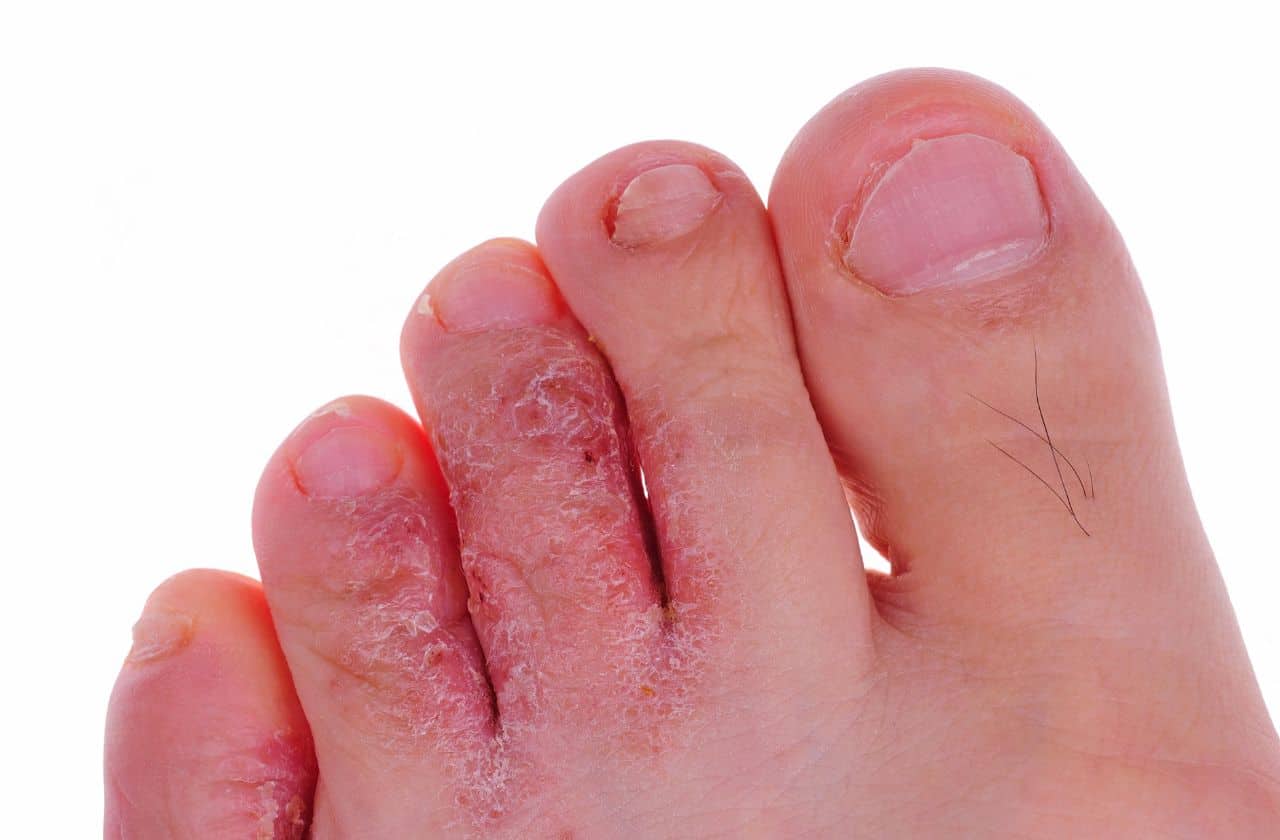
Fungal infections of the feet are common and can affect both the skin and toenails. A fungal skin infection, known as tinea pedis or athlete’s foot, commonly causes itching, redness, peeling, waxy or cracked skin, particularly between the toes. When a fungal infection affects the toenails, it’s known as onychomycosis or tinea unguium. This can cause nails to become thickened, brittle, discoloured or crumbly.
Athlete’s foot and fungal nail infections are among the most common fungal infections affecting the feet. These superficial fungal infections affect the outer layers of the skin or nails. Other types of tinea infections can affect different areas of the body, including ringworm (tinea corporis), jock itch (tinea cruris) and scalp ringworm (tinea capitis). However, tinea pedis and fungal nail infections are particularly relevant to foot health.
Although a fungus on the skin may initially cause mild irritation, fungal infections can spread or persist if left untreated. Cracked skin caused by athlete’s foot can also provide an entry point for bacteria, potentially leading to secondary skin infections. This is particularly concerning for people with diabetes, poor circulation or a weakened immune system.
At Advance Foot Clinic Podiatry, our podiatrists assess fungal skin and nail infections and help patients understand the appropriate treatment and prevention strategies for their foot health.
Many fungal infections, including tinea pedis and tinea corporis, are caused by dermatophytes – fungi that grow on the outer layers of the skin and nails. These dermatophyte infections commonly occur in warm, moist environments and can spread through direct contact or contaminated surfaces.
Common sources of fungal infections include:
Athlete’s foot can also spread to other areas of the foot or toenails. Good hygiene and early attention to symptoms can help prevent the spread of infection.
While exposure to fungi is common, some conditions make it easier for an infection to develop.
These risk factors include:
Tinea pedis commonly occurs between the toes, although this fungal skin infection can also affect the soles and sides of the feet. Symptoms may include itching, burning, cracked skin, a rash or scaly patches. Some tinea infections produce a rash with a well-defined border, while other symptoms may include redness, irritation or peeling. When fungal infection occurs between the toes, skin often takes on a white, waxy, macerated appearance. If left untreated, the infection may spread to other areas of the skin or nails.
Because other skin conditions can produce similar symptoms, it’s important not to assume that every rash, patch of cracked skin or discoloured toenail is caused by skin fungus.
Fungal infection treatment depends on whether the infection affects the skin, toenails or both, as well as its severity and how long symptoms have been present.In most cases, fungal infection treatment involves antifungal medicine selected according to the type and location of the infection. Mild fungal skin infections, such as athlete’s foot, may respond to topical antifungal creams, while fungal nail infections can require a different approach. The appropriate treatment depends on the diagnosis, severity and whether the infection has spread. For some confirmed fungal nail infections, prescription oral terbinafine may be considered as a first-line therapy, subject to individual medical suitability.Common treatment options include:
Tea tree oil and apple cider vinegar soaks are sometimes used as a home remedy, but evidence of its effectiveness is limited. It may also cause skin irritation and should not replace proven antifungal treatment.
If symptoms persist, keep returning or affect several toenails, it’s worth having your feet assessed. Our podiatrists can help identify the likely cause and discuss suitable management options.
For more information about nail symptoms, see our Fungal Nails condition information, or learn about our Fungal Nail Laser Treatment service.
Good foot hygiene plays an important role in preventing fungal infections and reducing the risk of reinfection. Alongside appropriate antifungal treatment, a few everyday habits can help keep your feet clean and dry.
Dealing with itchy skin, recurring athlete’s foot or changes to your toenails? Our podiatrists can assess your symptoms, discuss fungal infection treatment options and help you manage your foot health.
Book your appointment online or call us to arrange a consultation at one of our five clinic locations across North Brisbane, Western Brisbane and Mount Isa.