


Have you ever noticed a small, uncomfortable growth on your foot and wondered if it’s a corn or a wart? A corn is a thickened patch of skin caused by friction or pressure and usually hurts when you press directly on it, while a wart is caused by HPV, often looks rough with tiny black dots, and tends to hurt more when its sides are squeezed. If you’re trying to work out which one you have, this guide explains the symptoms to look for, what causes each condition, the most effective at-home and professional treatments, how to help prevent them, and when it’s time to see a podiatrist. Understanding the difference matters because corns and warts need different treatment, and using the wrong one can worsen the condition rather than fix it.
Corn vs Wart: What are the key differences?
At first glance, corns and warts might seem alike, but they are distinct in their symptoms, appearance, and origins. Here’s how to tell them apart:
What Is a Corn?
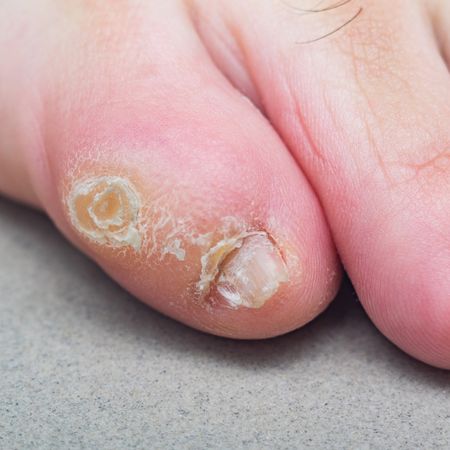
Cause: Corns are areas of thickened skin that develop from friction or pressure caused by repeated pressure, often from wearing shoes, and typically appear on the toes or feet where shoe pressure is highest. Unlike warts, they are not contagious skin growths.
Appearance: Round or cone-shaped areas of hard skin with a hard center surrounded by inflamed skin and callus. They feel rough and are often yellowish.They look like little dots.
Skin striations: If you look very closely, the natural skin lines in your skin will continue through the thickened area of a corn, rather than travelling around it.
Symptoms: Corns can cause sharp pain when pressure is applied, such as while walking or wearing tight shoes. They often feel tender when pressed directly and may cause a dull, aching pain while wearing shoes. They will be the most painful with direct pressure right on top of them vs warts which hurt more when squeezed.
What is a wart? (Including Plantar Warts)
Cause: Warts are caused by the human papillomavirus (HPV), which infects skin cells and leads to rapid skin cell growth. They are contagious and can spread through direct contact or shared surfaces, and while they can appear anywhere on the body, this article focuses on plantar warts.
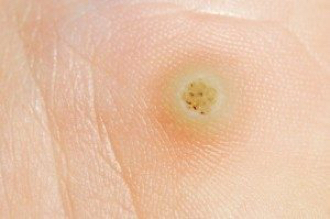
Appearance: Warts are pink, flesh-colored or whitish and may have tiny black dots from clotted blood vessels in the wart tissue on the surface. They often grow in clusters, have a rough texture, and disrupt the natural skin lines or skin lines around the growth. Often the appearance is described as ‘cauliflower like’.
Symptoms: Warts can feel tender when pressure is applied, and a plantar wart can feel like there is a pebble in your shoe, but pain is often worse when the sides of the wart are squeezed together. They may also itch, may bleed if cut, and are painful when cut.
Symptoms of Corns vs Warts: How to Identify Them
If you’re unsure whether you’re dealing with a corn or a wart, it’s always a good idea to consult a podiatrist for a professional diagnosis.
Symptoms of Corns and Foot Pain
A thickened, rough patch of skin.
A small, hardened core in the center.
Pain when pressure is applied, such as during walking or wearing tight shoes.
Dry, waxy or inflamed skin around the affected area.
Symptoms of Warts
Raised, rough growths that may appear in clusters.
Tiny black dots on the surface (known as “wart seeds”).
Tenderness or pain when squeezed or pressed.
Occasional itching or mild bleeding.
Causes of Corns and Warts
Understanding what causes corns and warts can help you prevent them in the future.
Causes of Corns
Corns develop from friction or pressure on the skin due to repeated pressure. Common contributing factors include:
Wearing ill-fitting or tight shoes; wearing supportive, well fitting shoes helps prevent corns, and switching footwear can help existing corns shrink by reducing pressure.
Walking barefoot on hard surfaces.
Abnormal foot structure, such as bunions or hammertoes.
Gait issues that increase pressure on certain parts of the foot.

Causes of Warts
Warts, on the other hand, are caused by the HPV virus, which enters the skin through small cuts or abrasions. Common risk factors include:
Walking barefoot in public areas like pools, gyms, or showers; avoiding direct contact with the wart virus is especially important on shared wet surfaces such as public showers.
Do not share shoes or socks to avoid spreading warts.
Weakened immune system, which makes you more susceptible to infections.
Effective Treatments for Corns and Warts
Choosing the right treatment depends on whether you’re dealing with a corn or a wart. Let’s explore the best approaches for each condition.
Corn Treatment Options
1. Professional Treatment for Corns
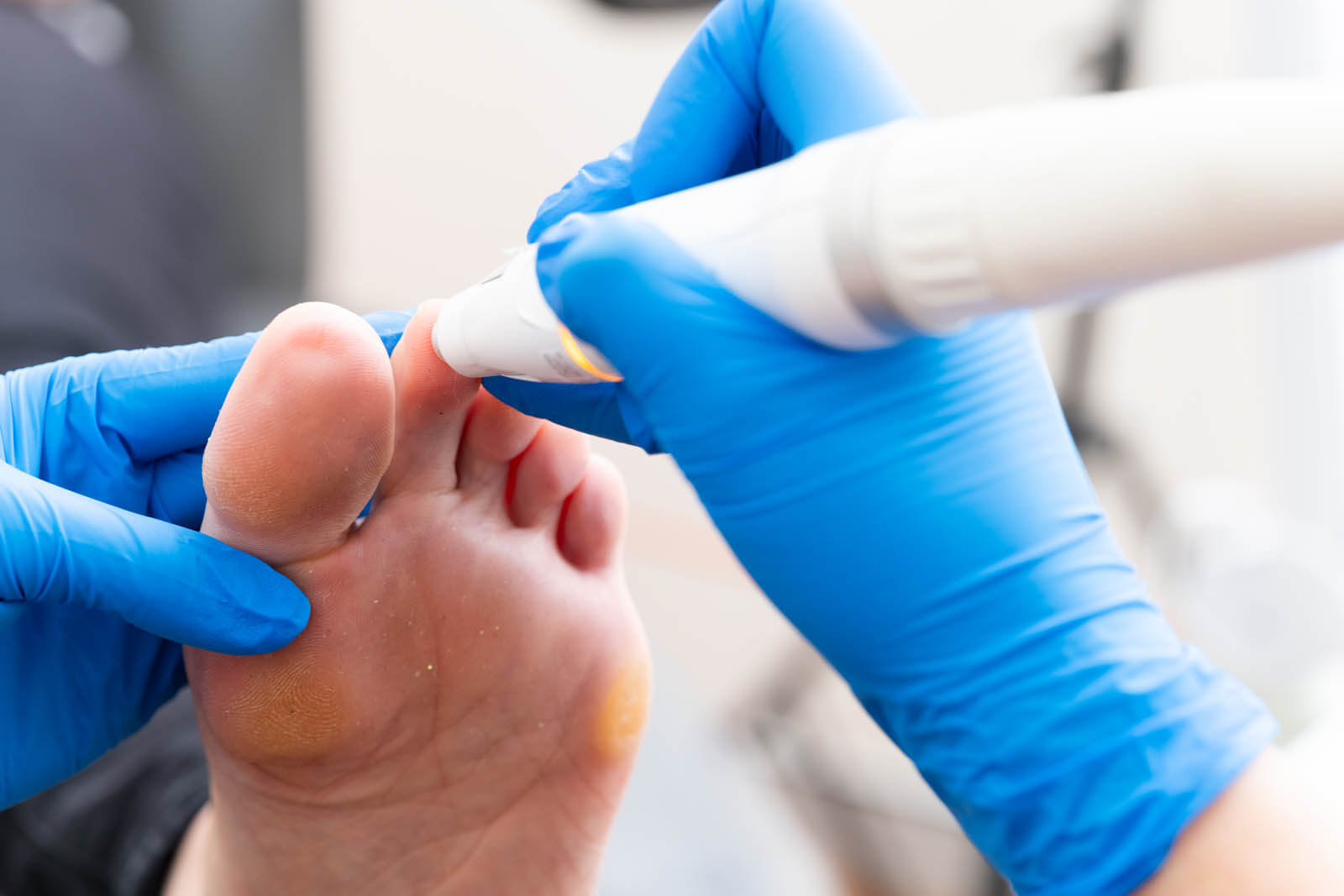
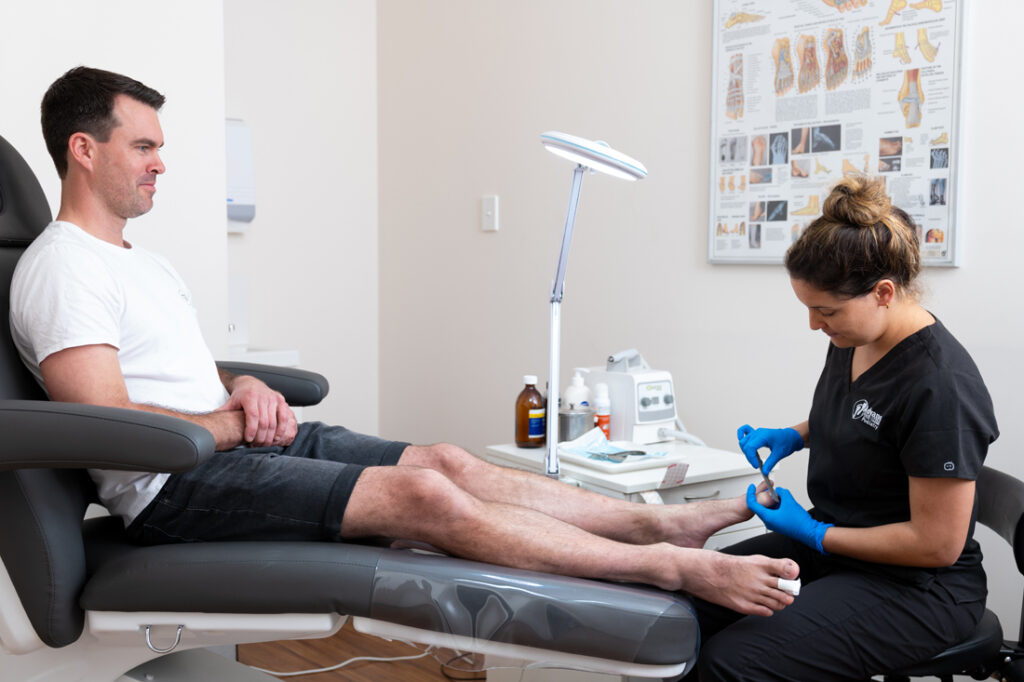
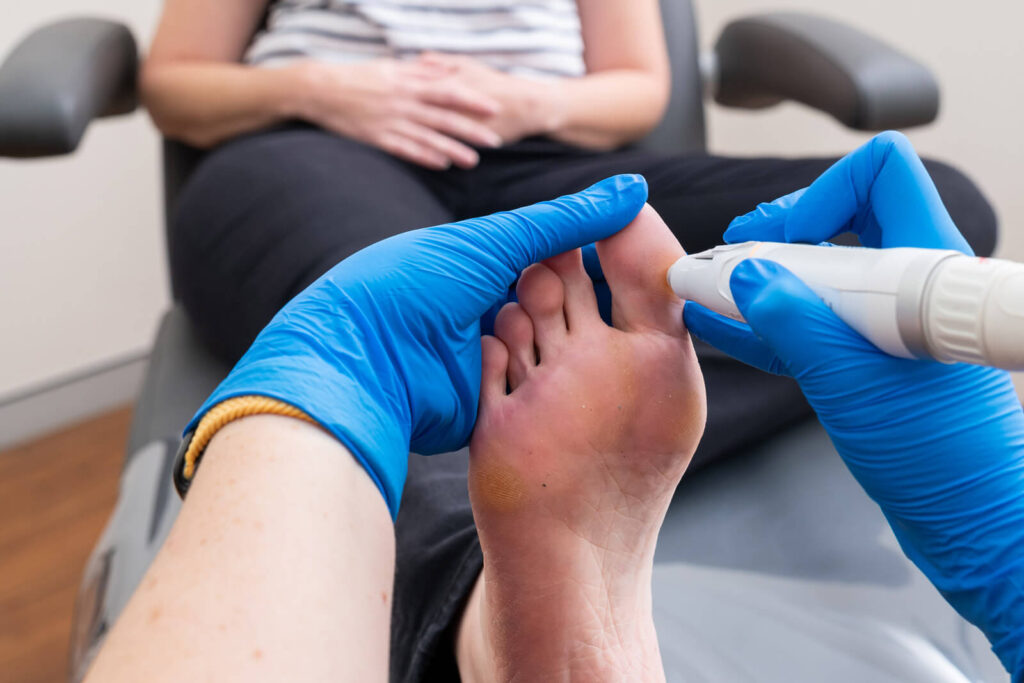
Corn Removal by a Podiatrist: A podiatrist can safely remove the thickened skin using a scalpel. This process relieves pain and prevents further complications.
Padding and Strapping: Protective padding reduces friction and pressure, helping the area heal.
Custom Orthotics: If corns are caused by biomechanical issues, orthotics can correct foot alignment and reduce pressure.
At-Home Remedies for Corns
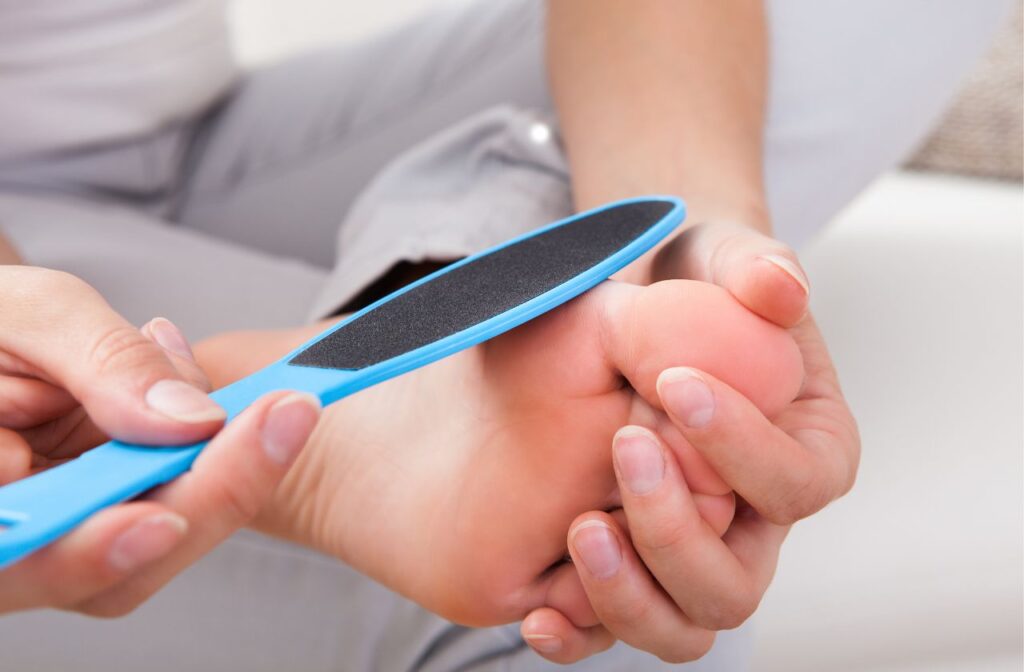
Warm Foot Soaks: Soak your feet in warm water for 10–15 minutes, then gently exfoliate with a pumice stone to remove dead skin.
Moisturizing Creams: Apply a thick foot cream to keep your skin soft and reduce friction.
Wear Proper Shoes: Choose footwear with a wide toe box and good cushioning to prevent pressure points.
Please do not use ‘corn pads’ or acid on the corn! These treatments are dangerous to the surrounding skin, leading to blistering, pain and infection which drastically lengthens recovery time. Come and see a podiatrist for safe treatment and quick resolution.
Wart Treatment Options
1. Professional Wart Treatments
SWIFT microwave therapy: A new and gold-standard wart treatment available only at selected podiatry clinics (including Advance Foot Clinic). SWIFT therapy uses microwave technology for plantar warts and may offer longer-term benefits than other treatments because it does more than simply destroy the lesion. Learn more about SWIFT.
Salicylic Acid: Podiatrists have access to strong Salicylic paste. The wart is commonly debrided first by removing any overlying callus, then salicylic acid is applied to the wart tissue while using padding to protect healthy skin. While this treatment takes much longer than SWIFT, it is generally painless and well-tolerated by children.
Silver Nitrate: This can be used after debridement and helps activate the immune response against warts.
Surgical Removal: For stubborn warts, minor surgery may be necessary to remove the growth and activate the body’s immune system. Our podiatrists use Faulkner’s needling technique, and the multiple puncture technique has a clearance rate of 70-85%; it can be performed in-rooms under local anaesthetic.
Curettage: This wart-removal method has a success rate of 65-85%.
2. At-Home Wart Treatments
Salicylic Acid Products: Over-the-counter creams, gels, or patches containing salicylic acid can dissolve the wart gradually. Be sure to follow instructions carefully.
Duct Tape Method: Covering the wart with duct tape can deprive it of oxygen, potentially causing it to shrink over time.
Avoid Picking or Scratching: To prevent spreading the virus, avoid touching the wart and wash your hands thoroughly after any contact.
Diet and supplements: Maintain a healthy diet with adequate vitamin intake to ensure your immune system is healthy. In particular, Zinc intake has been shown to sometimes help the body fight off warts, so you may wish to consider a Zinc supplement.
When to See a Podiatrist Corn vs Wart
While some corns and warts can be treated at home, professional care is essential if:
The condition is causing severe pain or affecting your mobility.
You have diabetes or circulation issues, which increase the risk of complications.
Home treatments aren’t working, or the condition seems to be worsening.
You’re unsure whether you’re dealing with a corn or a wart.
A podiatrist can provide a proper diagnosis and recommend proper treatment tailored to your needs.

Preventing Corns vs Warts
Prevention is always better than treatment. Here are some simple tips to keep your feet healthy and free of corns and warts:
Tips to Prevent Corns
Wear properly fitted shoes with adequate cushioning.
Use protective padding in areas prone to friction.
Keep your feet moisturized to prevent dry, rough skin.
Trim your toenails regularly to prevent pressure points.
Tips to Prevent Warts
Avoid walking barefoot in public areas like pools, gyms or shared showers.
Keep your feet clean and dry to reduce the risk of infection.
Don’t share personal items like shoes, socks, or towels.
Boost your immune system with a healthy diet and regular exercise.
Healthy Feet Start with the Right Care
Whether you’re dealing with warts and corns, identifying the condition correctly is the first step toward effective treatment. Corns are caused by friction and pressure, while warts result from a viral infection. Each requires a unique approach to treatment and prevention.
If you’re unsure about what’s causing discomfort in your feet, don’t wait to seek help. Contact Advance Foot Clinic Podiatry today for expert advice and care. With five clinics across Brisbane and Mount Isa, the team is here to help you get back on your feet, pain-free.
Ready to give your feet the care they deserve? Book your appointment online or call us and experience our expert podiatry services at any of our six clinic locations.