

Key takeaways
- Most over-the-counter treatments aren’t strong enough to reach the fungal infection beneath the nail plate, which is why so many people treat toenail fungus at home for months without results
- Home remedies like tea tree oil, hydrogen peroxide, betadine, and vinegar foot soaks can help with mild infections, but are unlikely to provide complete resolution in most cases
- Professionally prescribed treatments such as oral antifungal medications or laser therapy are required to clear the vast majority fungal infections in toenails
- If your infection is spreading, not improving after a few months, or you have diabetes or poor circulation, it’s time to see a podiatrist
- Laser treatment with the Bost FlexiPulse is one of the most effective professional options available, targeting the infection directly within the nail bed without the side effects of oral pills
What are fungal nails?
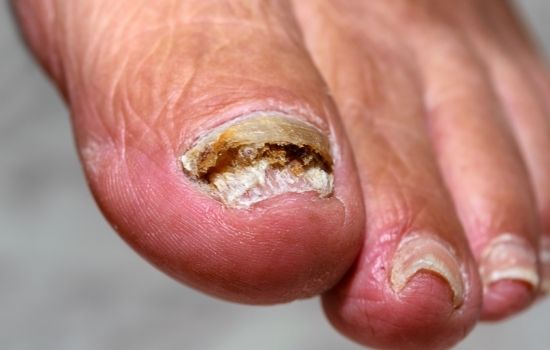
Fungal nail infections, medically known as onychomycosis, happen when a fungal organism enters the nail through a tiny crack, minor trauma, or damaged skin around the nail. Once inside, it feeds on keratin, the protein that makes up the nail, and spreads gradually beneath the nail plate.
Common signs include:
- Yellow, white, or brown discolouration
- Thickened or brittle nails
- Crumbling or flaking at the edges
- Debris building up underneath the nail
- The nail beginning to lift away from the nail bed
Toenails are affected far more often than fingernails, because fungi thrive in the warm, moist environment inside shoes and socks. Toenails also grow very slowly (12 months for full regrowth, on average) compared to fingernails (4-6 months), which means that the infection has more time to spread before it can be ‘grown out’.
The slow growth also means topical treatments have to be used for much longer than most people have patience for (6-12 months) in order to have any chance of success. The infection can start in one nail and spread to others if left untreated.
Nail fungus treatment at home
For mild infections caught early, treating nail fungus at home can help slow or reduce fungal growth. It’s important to note that home remedies do have their limits. Fungi live beneath the nail plate, where most over-the-counter products and natural remedies simply can’t penetrate effectively. This is why many people find they’ve been treating toenail fungus at home for months without it fully clearing.
That said, the following home treatments have shown some evidence of effectiveness in mild cases, and they’re worth trying if your infection is early-stage or you’re using them to support professional treatment.
Topical treatments can not kill the fungal cells, only slow down their growth. The goal of topical treatment is to allow the rate of natural nail regrowth to outpace fungal growth within the nail.
Treatment must be continued consistently until the infected part of the nail has completely grown out and been trimmed away. If the infection extends to the base of the nail near the cuticle, treatment may take at least 12 months and often 18 months or longer.
Tea tree oil
Tea tree oil has natural antifungal and antibacterial properties and is one of the more well-researched home remedies for fungal nails. Apply tea tree oil directly to the infected nail and surrounding skin once or twice daily using a cotton swab or small brush. Results take time, and consistency is everything. Regularly missing applications will significantly reduce any benefit.
Hydrogen peroxide
Hydrogen peroxide at a low concentration (around 3%, which is what you’ll find at most pharmacies) can help create an environment that’s less hospitable to fungal growth. Apply it to the entire nail once or twice daily and allow it to dry before putting on socks or shoes.
Betadine or povidone-iodine
Betadine (povidone-iodine) is another option with antifungal properties. It’s available in a colourless form if you’re concerned about staining your skin or nails. Apply it directly to the affected nail once or twice daily as part of your routine.
Apple cider vinegar foot soaks
Soaking the affected foot in a diluted vinegar solution for around 30 minutes each night has shown some effectiveness for mild fungal infections. Apple cider vinegar works best; mix one part vinegar with two parts warm water. The acidic environment is thought to inhibit fungal growth, though the evidence is mostly anecdotal and results vary between individuals.
Pharmacy treatments
Pharmacy antifungal treatments are generally the most effective home option because they contain medical-grade ingredients such as terbinafine, miconazole and fluconazole. These are similar to medications a GP may prescribe orally, but topical products contain lower doses and are much less effective at penetrating the nail.
The professional treatments with success rates above 60% are oral antifungal medication and laser therapy. Oral medication is considered the gold standard, but it can cause nausea or gastrointestinal side effects and may not be suitable for people with liver disease, heart conditions or those who are pregnant or breastfeeding. Laser treatment is more effective than topical products and is safe for all patients.
Tips for effective treatment at home
Home remedies are most likely to have an effect when you’re also taking steps to address the conditions that allowed the infection to develop in the first place. Proper foot hygiene and a few simple habits that help:
- Keep your feet clean and dry, particularly between the toes
- Change your socks daily and opt for moisture-wicking fabrics
- Allow your shoes to air out fully between wears
- Avoid walking barefoot in communal areas like pools, gyms, and change rooms
- Trim your nails straight across and don’t share nail clippers
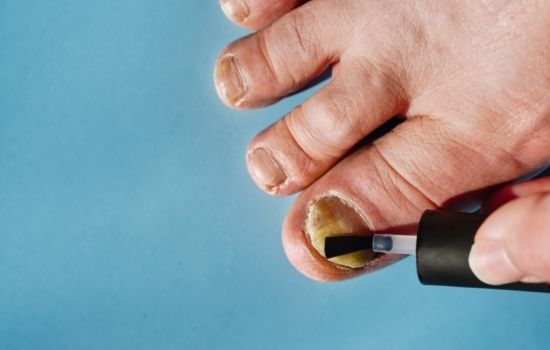
- Avoid applying nail polish over an infected nail, as it can trap heat and moisture and shield fungal cells from UV light, which may help slow fungal growth when used at safe levels.
- Treat any athlete’s foot promptly, as it can spread to the nails and reinfect them after treatment
- Consider replacing old footwear if the infection keeps returning, as fungal cells can survive in shoes
Consistency with all of the above matters just as much as the remedy itself.
What can't home remedies do?
Home treatment is unlikely to fully clear moderate-to-severe cases. If the infection extends deep into the nail bed, or if multiple nails are affected, over-the-counter antifungal creams and natural remedies typically aren’t strong enough to reach the source of the problem.
In these cases, professional treatment is going to give you a much better outcome. Options include antifungal lacquers or tinctures prescribed by a podiatrist, oral antifungal medication for more severe or widespread infections, and laser treatment, which targets the fungal infection directly within the nail bed.

When should you see a podiatrist for fungal toenails?
It’s worth booking an appointment if:
- You’ve been treating the nail at home for a few months without improvement
- The infection is spreading to other nails or the surrounding skin
- The nail is causing discomfort when wearing shoes
- You have diabetes, poor circulation, or an underlying health condition that contributes to a weakened immune system
- You’re not sure whether what you’re seeing is actually a fungal infection
Not every thickened or discoloured nail is caused by fungus. Nail trauma, psoriasis, and bacterial infections can all look very similar. Treating the wrong condition at home can delay the right diagnosis, so if you’re unsure, a podiatrist can take a proper look and point you in the right direction.
People with diabetes or circulatory conditions in particular should seek professional advice early, as changes in nail appearance can sometimes signal broader health concerns, and the risk of complications is higher for these groups.
Professional treatment for fungal nails
The best way to treat fungal nails is with laser therapy, lacquers, and tinctures. This is because these penetrate the nail and act on the fungal infection within the nail.
Laser treatment
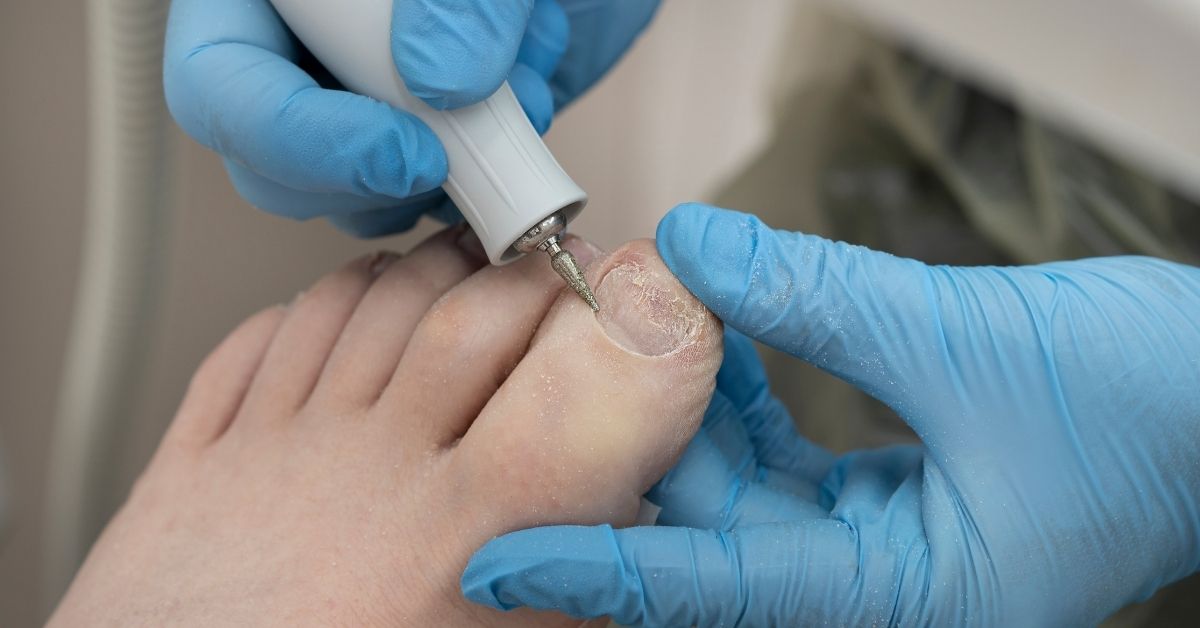
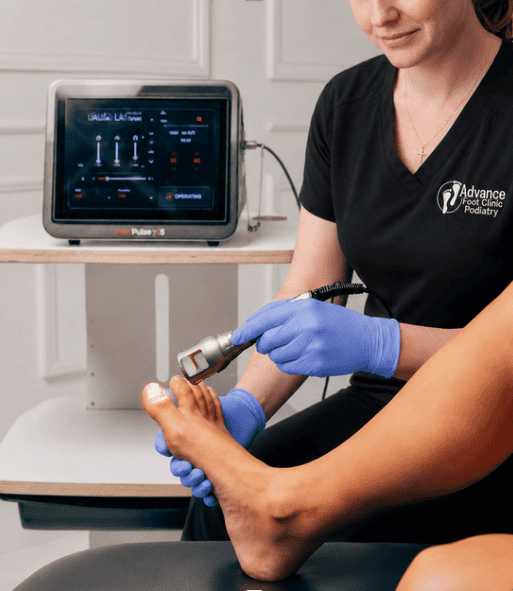
The Bost FlexiPulse laser uses carefully controlled laser energy and infrared light to penetrate the nail plate and reach the fungal infection beneath. The heat generated helps disrupt fungal cells and create an environment that is less favourable for fungal growth, while leaving the surrounding skin and healthy tissue unharmed.
Laser therapy may also help stimulate circulation in the treated area, supporting the body’s natural healing processes and encouraging healthy nail growth.
Because the Bost FlexiPulse laser is highly effective at targeting fungal cells, treatment is typically required just once a week for four weeks. Compared with topical treatments that need to be applied daily for six months or longer, it involves far less time and inconvenience.
Most patients experience only a mild warming sensation during treatment, with minimal discomfort and no downtime.
Oral Medications
Oral medications, such as prescription antifungal tablets, may be recommended when multiple toenails are infected or when more conservative treatment options have not worked. Before prescribing them, your GP will often arrange for a nail sample to be sent to a pathology lab to confirm the infection. They will also talk you through any possible risks, such as liver disease or interactions with other medications you may be taking.
Ensure you treat any skin infection
It is also important to treat the cutaneous (skin) infection, if one is present, to reduce the chances of re-infection of the nail. Your podiatrist will advise you of the appropriate treatment plan for your infection.
The best treatment we see at Advance Foot Clinic is the Bost FlexiPulse laser. Its main benefit is that it doesn’t introduce various chemicals into the body, unlike oral medication, which can be hard on the liver and cause stomach upsets. With the Bost FlexiPulse, you don’t have the concern of the side effects medication sometimes causes, or the frequency of treatment needed for topical treatments.
Take the next step towards healthy nails
If home treatment isn’t getting you the results you’re after, our podiatrists can help.
At Advance Foot Clinic, we offer thorough nail assessments and advanced laser treatment using the Bost FlexiPulse across our clinics.