


TL;DR
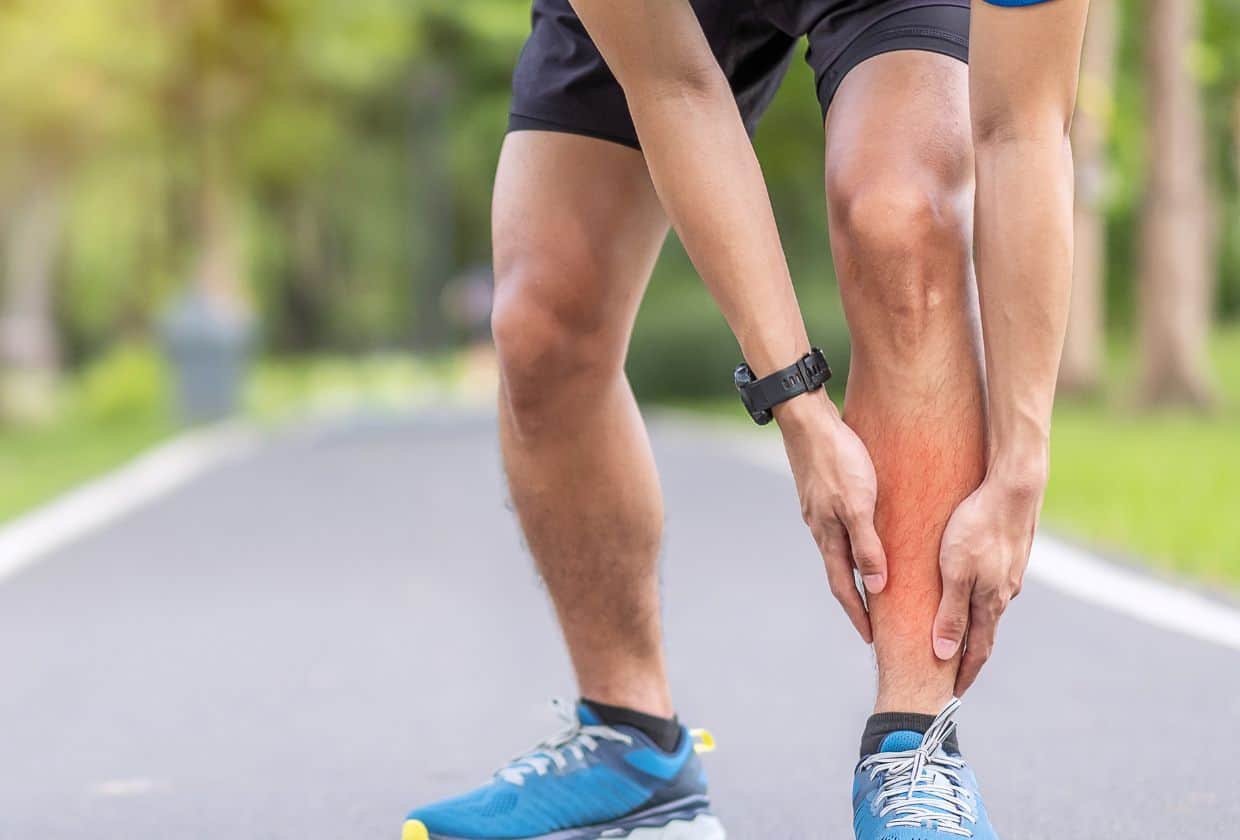
- Shin splints (medial tibial stress syndrome) cause a dull, aching pain along the inner shin bone, usually from overuse.
- Common triggers include a sudden increase in training, hard or uneven surfaces, unsupportive footwear, and flat feet.
- Most cases settle within a few weeks with relative rest, ice, supportive shoes, and a gradual return to activity.
- Calf and shin stretches plus strengthening for the calves, hips and glutes ease pain and reduce the risk of shin splints returning.
- Sharp, localised or persistent pain despite rest warrants a podiatrist assessment to rule out a stress fracture.
That nagging ache in your shin? You're not alone
If you’ve pushed through a run or weekend sport only to feel a dull ache creeping up the inside of your shin, you know how frustrating shin splints can be. The pain often eases with rest, only to flare up again the moment you get moving. It’s one of the most common overuse injuries in active people, and it’s usually very manageable once you understand what’s driving it. This guide covers what shin splints are, why they happen, and a practical set of stretches and exercises to settle the pain and stop it coming back.
This is general information, not a diagnosis. Persistent or severe shin pain should always be assessed by a podiatrist, since not all shin pain or lower leg pain is caused by shin splints.
What are shin splints, really?
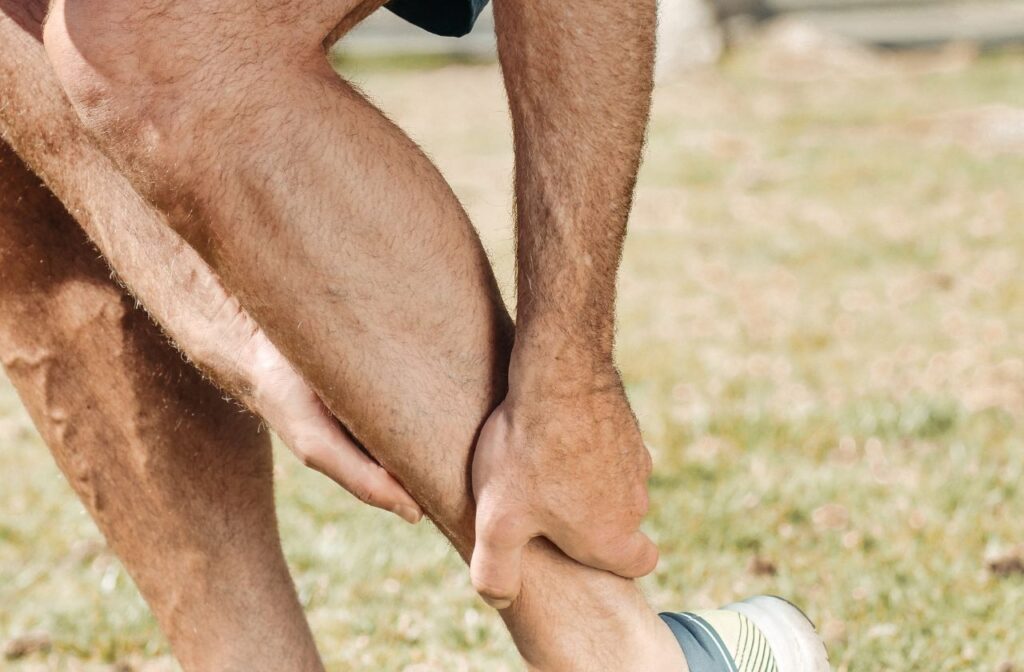
Shin splints, known clinically as medial tibial stress syndrome (MTSS), cause pain along the inner edge of the shin bone (tibia). It happens when the muscles, tendons and connective tissues around the lower leg are loaded faster than they can adapt, irritating the bone’s outer surface.
Common symptoms of shin splints include a dull ache or steady, persistent pain along the inner shin, tenderness when pressed, and mild swelling. The pain often worsens during or after activity and eases with rest, only to return once training resumes, a come-and-go pattern that’s a common symptom of MTSS.
It’s worth knowing how shin splints differ from a stress fracture, which shares similar symptoms but needs different management. A stress fracture occurs when repetitive stress causes tiny cracks to form in the bone, causing sharper, more localised pain that doesn’t ease with rest. Shin splints are usually diagnosed through a physical exam and a review of your training and medical history, with a bone scan reserved for suspected fractures. Read more about medial tibial stress syndrome here.
Why shin splints happen (and why that matters for managing them)
Shin splints are an overuse injury: the shin bone’s tissue is asked to handle more stress than it can adapt to, so repeated stress outpaces the body’s ability to repair itself.
Common triggers include:
- A sudden increase in running or training volume, intensity or frequency
- Hard or uneven surfaces, such as concrete paths or trail running
- Worn-out or unsupportive shoes that don’t absorb impact well
- Biomechanical factors like flat feet, rigid arches or excessive pronation
Because shin splints are usually a loading and biomechanics problem, the fix combines reducing the aggravating load with strengthening the body to tolerate that load better. Excessive pronation and tight calves both change how force travels up the leg, transferring more strain to the shin.
How to manage shin splints: the first steps
Before starting loading exercises, go through a short settle-down phase to calm the pain.
- Relative rest: reduce, rather than stop, the activity. Swapping running for swimming or cycling lets you cross train while your shins recover.
- Simple pain relief: apply a cold compress, wear supportive shoes with shock-absorbing insoles, and avoid hard or uneven surfaces where possible.
- Nonsteroidal anti-inflammatory drugs may ease pain short term, but check with your pharmacist or GP first.
Set realistic expectations for recovery. Mild cases often settle within two to four weeks of consistent rest and care, while stubborn cases take longer. In clinic, we typically see people improve steadily once they combine load reduction with the work below.
Laser therapy: supporting your recovery alongside exercise
Low-level laser therapy is often used alongside stretching and strengthening to help calm inflammation and support tissue repair in the early stages of shin splints. It’s particularly useful for recent, acute symptoms, when the shin is still irritated and hasn’t yet settled enough for more intensive loading work. Combining laser therapy with the exercises below can help take the edge off pain sooner, so you can progress through your strengthening program with less discomfort. Ask your podiatrist whether laser therapy is a good fit alongside your recovery plan.
Stretches to treat shin splints
Tight calves and lower-leg muscles pull on the shin with every step, so gentle stretching is a foundational part of relief. Stretch gently to the point of mild tension, never pain, and stop if anything feels sharp.
Calf stretches (gastrocnemius and soleus)
- Standing wall calf stretch: stand facing a wall, step one foot back with the leg straight and heel down, and lean forward until you feel a stretch in the upper calf. Hold 30 seconds, two to three times per leg.
- Bent-knee variation: from the same position, bend the back knee slightly, heel down, shifting the stretch to the soleus, the deeper calf muscle. Hold 30 seconds, two to three times per leg.
Anterior shin (tibialis anterior) stretch
Kneel or stand and gently point your toes back and down until you feel a stretch along the front of the shin, the area affected by anterior shin splints. Hold 20 to 30 seconds, two to three times per leg, keeping it gentle and pain-free.
Strengthening exercises to prevent shin splints
Strengthening builds lasting resilience and helps prevent shin splints from returning, so it’s the core of managing them long term. Start gently, progress gradually, and stop any exercise that sharply increases pain.
Calf raises
Begin with double-leg calf raises, rising onto your toes and lowering with control, for two to three sets of 12 to 15 repetitions. Progress to single-leg raises as strength improves. Stronger calves absorb more impact, reducing strain on the tibia.
Resisted dorsiflexion and toe taps
Loop a resistance band around your foot and pull your toes up against it to strengthen the tibialis anterior, for two to three sets of 15 repetitions per leg. Toe taps or heel walks make an easy at-home progression.
Hip and glute strengthening, and balance
Weakness through the hips and glutes changes how the lower leg absorbs load, so glute bridges, clamshells and single-leg control drills matter too, which is why a podiatrist assessment looks at the whole leg and gait, not just the shin. Single-leg balance and step-ups further improve control, especially for runners returning to training.

Returning to running and sport safely
Once pain has settled, ease back into activity gradually rather than jumping straight back to your previous load. A structured return-to-run approach, increasing distance or intensity in small increments, gives the lower leg time to adapt and reduces the risk of shin splints returning.
Footwear and surface choices matter too. Rotating out worn shoes, choosing supportive footwear, and mixing hard surfaces with softer ones all help protect the lower leg, and our team works closely with runners through our sport podiatry services to build training plans that reduce injury risk.
When exercises aren't enough: how a podiatrist can help
Self-management works well for many people, but recurring shin splints often point to an underlying biomechanical cause exercises alone won’t fix. A podiatrist assessment looks at foot posture, gait and footwear to identify what’s driving the repeated stress on your shin.
“We often see people who’ve done all the right stretches and strengthening work but keep getting the same shin pain back, because nobody’s addressed why the load kept building up in the first place.”
— the podiatry team at Advance Foot Clinic
Depending on what’s contributing, your podiatrist may recommend custom orthotics or Formthotics for overpronation and arch support, shockwave therapy for stubborn cases, or laser therapy for recent, acute symptoms.
A few red flags warrant prompt assessment: worsening pain, sharp and localised pain that could suggest a stress fracture, or pain that persists despite rest and rehab. In these cases, your podiatrist may refer you to orthopaedic surgeons or order further imaging.
The bottom line
Most shin splints can be managed at home with a sensible mix of load reduction, stretching and progressive strengthening, along with patience. Lasting relief usually comes from addressing the underlying cause rather than just the symptom, which is where professional assessment adds real value.
At Advance Foot Clinic, our team takes a personable, relationship-focused approach to getting active people back to what they love, supporting them long after the pain has settled. If your shin splints aren’t improving, we’re here to help.
Book online here or call our team on (07) 3351 5888. We have clinics across western Brisbane and the inner north, including Arana Hills, The Gap, Chermside and Bellbowrie, as well as Mount Isa.
Call 1300 76 33 66