

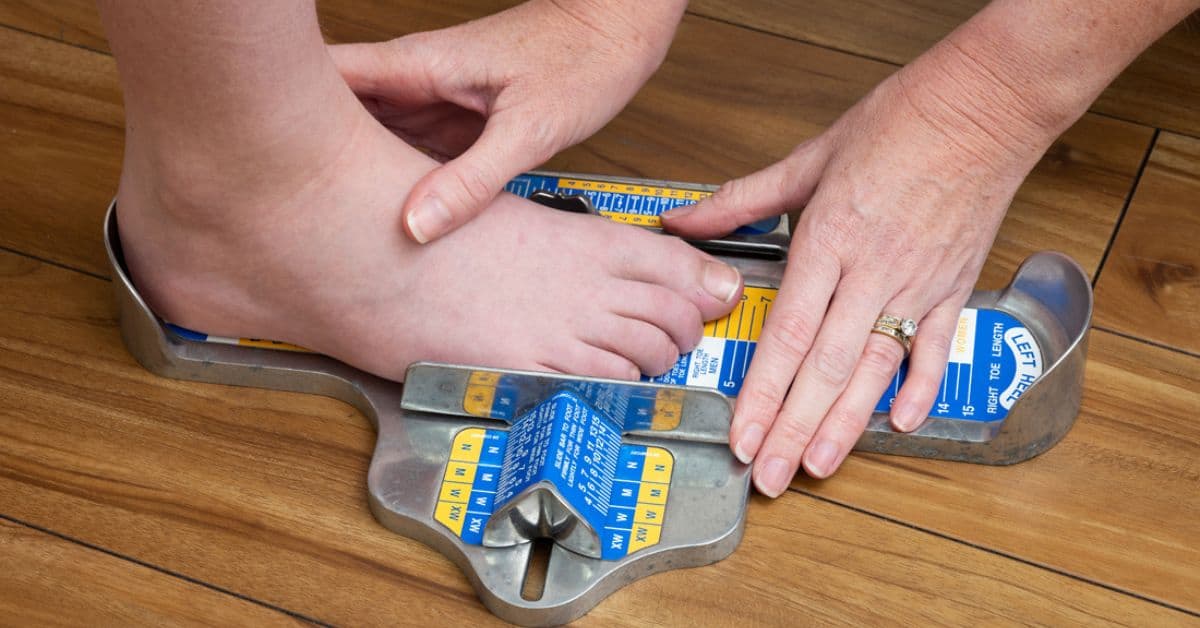

Wondering when do your feet stop growing? For most Australians, feet stop growing in the mid to late teenage years. Girls usually finish around ages 13 to 15, while boys may continue growing until around 15 to 18.
Even after this, your feet can still change in size or shape due to factors like pregnancy, weight changes, footwear habits, and ageing. Understanding foot growth helps you choose the right shoes and know when to seek help from a podiatrist.
TL;DR (Too Long; Didn’t Read)
If you have been asking when do your feet stop growing, the short answer is that it usually happens during your teenage years once puberty is complete.
For most people in Australia:
- Girls’ feet stop growing around ages 13 to 15
- Boys’ feet stop growing around ages 15 to 18

When Do Your Feet Stop Growing?
During childhood and adolescence, your feet grow quickly, which is why kids often outgrow their school shoes every year. Once the growth plates in your bones close, your foot length generally stays the same.
However, your feet are still influenced by daily activity, footwear, and lifestyle, which means they can continue to change over time.
Understanding Foot Growth and Development
To better understand when do your feet stop growing, it helps to look at how your feet develop.
Your feet contain 26 bones, along with joints, muscles, tendons, and ligaments that all work together to support your body. As you grow taller and heavier, your feet adapt to handle increased load and movement.
Foot growth is influenced by:
- Genetics
- Hormonal changes (growth factor)
- Activity levels, including sport
- Body weight and development
In Australia, where kids are often active in sports like footy, netball, and cricket, the feet are under regular stress during key growth years. This makes proper footwear especially important.
Growth Plates and Why They Matter
A key factor in understanding when do your feet stop growing is the role of growth plates.
Growth plates are areas of cartilage at the ends of bones that allow them to lengthen during childhood. Over time, these plates harden and close, which generally signals the end of bone growth.
This process:
- Happens earlier in girls than boys
- Occurs gradually over several years
- Marks the end of foot length growth
Once these plates close, your feet will not grow longer, but they can still change in other ways.

Can Your Feet Grow After Adolescence?
Even after you know when do your feet stop growing, you might notice your shoe size changing later in life. This is quite common in Australia and is usually due to lifestyle or physical changes rather than true growth.

Pregnancy
Hormonal changes during pregnancy can loosen ligaments, causing the arches to drop slightly. Many women find they go up half a size or more permanently.
Weight Changes
Extra body weight increases pressure on your feet, which can flatten the arches and make your feet longer or wider over time.
Ageing
As you get older, your ligaments naturally lose elasticity. This can lead to a gradual spreading of the foot, especially if you spend long hours standing or walking.

Footwear Habbits
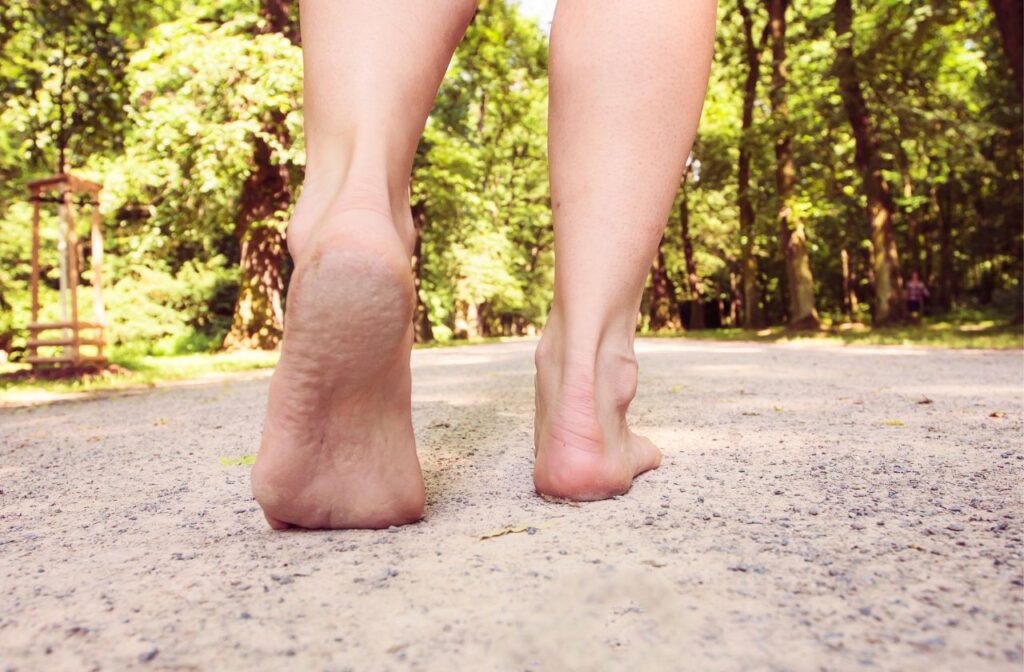
In Australia, wearing thongs (flip-flops), barefoot walking, or unsupportive shoes for long periods can contribute to changes in foot structure over time.
Foot Conditions
Certain conditions may also affect foot shape, including:
- Bunions
- Flat feet
- Arthritis
These changes can alter how your shoes fit, even though your bones are no longer growing.
Signs Your Feet Are Still Growing
If you are trying to work out when do your feet stop growing in children or teenagers, there are a few clear signs that growth is still happening.
Look for:
- Shoes becoming tight
- Complaints of sore feet after school or sport
- Shin, knee and hip pain (growing pains)
- Frequent need to replace school or sports shoes
- Visible changes in foot size or shape
In Australia, it is common for kids to need new school shoes every 6 to 12 months during growth spurts.
Call 1300 76 33 66

Why Proper Footwear Matters During Growth
Understanding when do your feet stop growing is important, but choosing the right footwear during growth is just as critical.
Poor footwear can lead to:
- Toe crowding or deformities
- Changes in walking or running style
- Increased injury risk during sport
- Long-term foot pain
When buying shoes for growing feet, look for:
- Proper length and width
- Good arch support
- Cushioned soles for impact
- Breathable materials for hot Australian conditions
School shoes and sports shoes should be fitted properly, not just bought based on size alone.
When to see a podiatrist
Podiatrists play an important role in ensuring healthy development of growing feet.
You should consider seeing a podiatrist if:
- Your child complains of ongoing foot pain
- Shoes are wearing unevenly
- Feet appear flat or rolling inward
- Growth seems unusually fast or slow
- There are visible changes in foot shape
Early intervention can make a big difference, particularly during key growth years.

What does a podiatrist do?
A podiatrist can:
- Assess walking and running patterns
- Identify early signs of flat feet or alignment issues
- Recommend appropriate school and sports footwear
- Prescribe orthotics if needed
Regular check-ups can help prevent small issues from becoming bigger problems, especially in active kids.
Conclusion
If you have been wondering when do your feet stop growing, the answer is usually during the teenage years once growth plates close. However, your feet can still change throughout adulthood due to lifestyle, footwear, and natural ageing.
In Australia, where people are often on their feet, active, and exposed to warm conditions, taking care of your feet early is essential.
The team at Advance Foot Clinic Podiatry supports patients across Brisbane and Mount Isa with expert care for growing feet and long-term foot health. Whether you are managing your child’s development or noticing changes in your own feet, the right advice can help keep you moving comfortably.