

Laser Treatment for Nail Fungus
Bost FlexiPulse laser treatment
Are you dealing with yellow, thickened or fungal nails? Fungal nail infections are a common condition affecting many Australians and can lead to discoloured, brittle, thickened or deformed nails if left untreated.
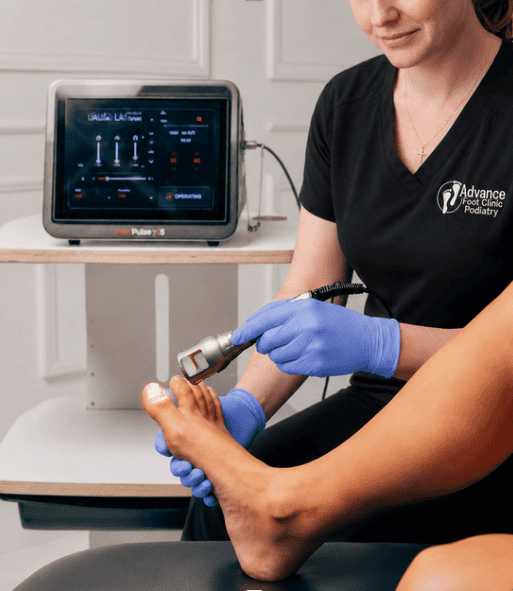
At Advance Foot Clinic, we offer laser treatment for nail fungus using the advanced Bost FlexiPulse laser – a safe, non-invasive option for patients seeking an alternative to oral medication, topical creams, nail lacquers, and other treatments that may not always provide the desired results.
This fungal nail laser treatment targets the infection within the nail bed while supporting healthy nail growth over time. The treatment is pain-free, requires no downtime, and can be suitable for many patients who are unable to take oral antifungal medication.
Book an appointment today and take the first step towards clearer, healthier nails.
What is laser treatment for toenail fungus?
Nail fungus laser treatment is a modern treatment option that Australian patients are increasingly choosing because it is targeted, non-invasive and requires no recovery time.
The Bost FlexiPulse laser uses carefully controlled wavelengths of laser energy that penetrate the nail plate and reach the fungal nail infection beneath. The laser produces therapeutic heat within the affected nail, helping to disrupt fungal cells while leaving the surrounding skin and healthy tissue unharmed.
Most patients experience only a mild warming sensation during treatment, with minimal discomfort and no downtime required.
Unlike oral medication, which works throughout the body, laser treatment works directly at the site of the infection. This allows treatment to focus on the affected nail while supporting the growth of a healthier nail over time.
If you’re unsure whether you have a fungal nail infection, learn more here:

How does fungal nail laser treatment work?
The Bost FlexiPulse laser is designed to penetrate through the nail plate and into the nail bed, where the fungal infection occurs.
The treatment delivers concentrated laser energy and infrared light into the affected nail. The generated heat helps target fungal cells and may assist in disrupting the fungal cell wall, making the environment less favourable for fungal growth.
At the same time, laser therapy may help stimulate circulation in the treated area, supporting the body’s natural healing processes and encouraging healthy nail growth.
Because fungal nails are often thicker than healthy nails, multiple treatment sessions are usually recommended to achieve the best possible outcome.
Speak with our podiatry team to find out whether laser for toenail fungus is suitable for you.
Assessment and treatment of fungal nails
During your initial consultation, your podiatrist will assess your fungal nail infection, identify contributing factors such as trauma, footwear, poor circulation, diabetes, overall health conditions, or environmental exposure, and recommend a personalised treatment plan.
What to expect:
- Nails are assessed, photographed and prepared
- Thickened or damaged nails may be reduced before treatment
- Laser treatment takes approximately 12 minutes per foot
- The procedure is painless and non-invasive
- Most patients require weekly sessions over four weeks
- Additional sessions may be recommended for severe cases
- Progress is monitored throughout treatment
Our goal is to safely treat fungal nails, improve nail appearance, and support long-term nail health. It’s important to understand that healthy nail growth takes time. Even after successful treatment, it can take several months for a healthy nail to grow through and replace the damaged portion of the nail.
Benefits and considerations of laser fungal nail treatment
Key benefits
- Non-invasive treatment with no surgery or injections
- Pain-free with minimal to no downtime
- Targets fungal nail infection within the nail bed
- Suitable for many patients who cannot take oral medication
- Does not damage surrounding skin
- Supports healthy nail growth
- No known systemic side effects
Considerations
- Multiple sessions are usually required
- Results take time as the nail grows out
- Severe cases may require a combination of treatments
- Recurrence remains possible without ongoing prevention
- Treatment costs vary depending on severity and treatment requirements
Our team will always recommend the most appropriate treatment for your individual needs and explain all available options.
What you need to know
Fungal nail infections affect more than 10% of the population
The infection can spread to other nails if left untreated
Communal areas such as gyms, pools and change rooms can increase risk
Early treatment often improves outcomes
Laser treatment is one of several options available for managing fungal toenails
Treatment success varies depending on the severity of the infection, nail thickness, age and overall health
If you’d like to explore alternative treatment options, read more here:
Did you know?
More than 10% of the population have nails that have been damaged by a fungal infection.
Tips to Prevent Reinfection
To support long-term success and reduce the chance of recurrence:
- Dry feet thoroughly after showering
- Allow shoes to air regularly
- Use antifungal sprays where recommended
- Wash socks in hot water
- Wear footwear in communal areas
- Choose breathable socks and shoes
- Avoid sharing nail tools
- Maintain good foot hygiene
These simple steps can help protect your feet, toenails and surrounding skin from future fungal infections.
Take the first step towards healthy nails
You don’t have to live with fungal nails. With the right diagnosis and treatment plan, many patients experience significant improvements in nail appearance and overall foot health.
At Advance Foot Clinic, our experienced podiatrists provide evidence-based laser treatment for nail fungus using advanced Bost FlexiPulse technology. We take the time to assess your condition, explain your options, and create a treatment plan tailored to your needs.