

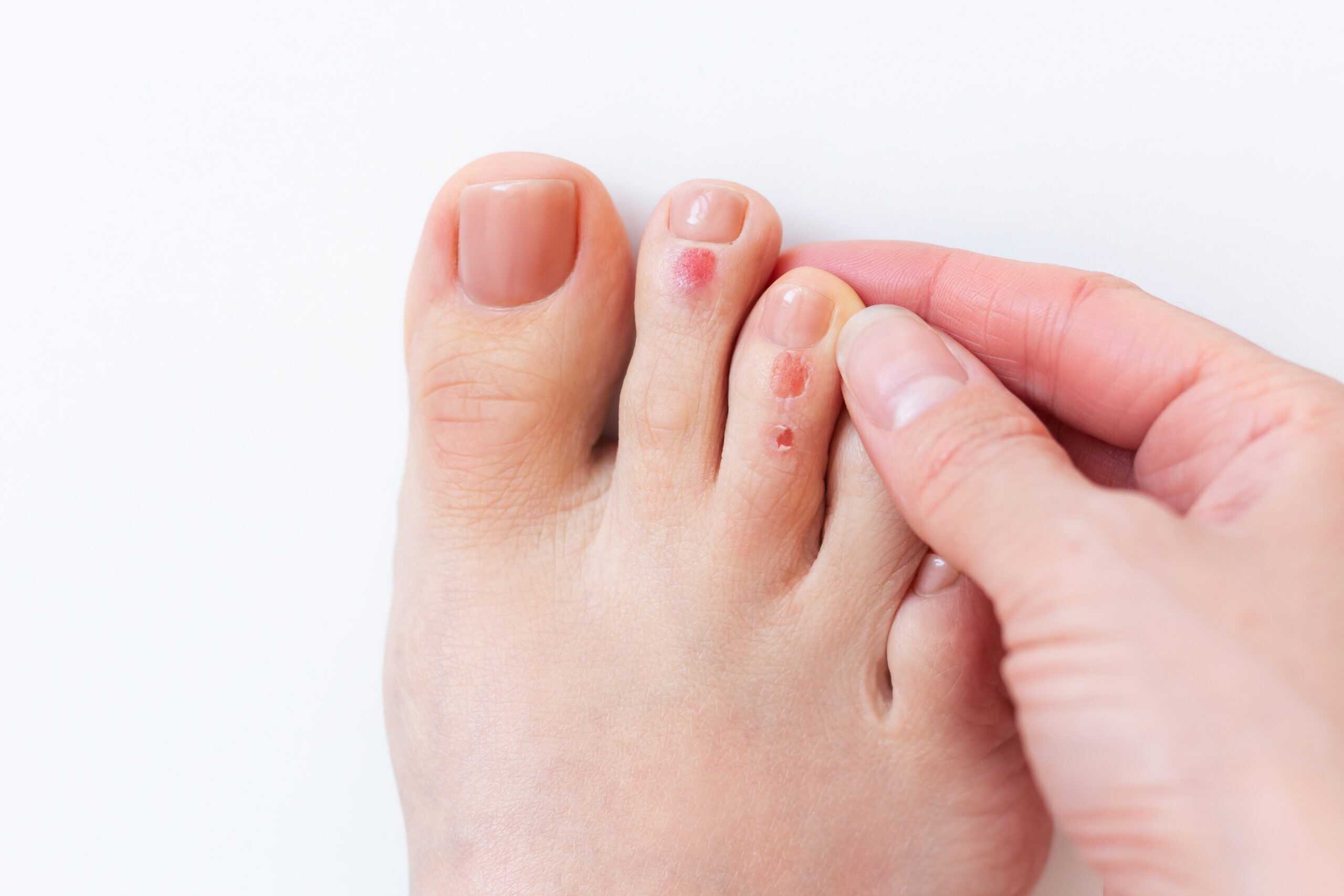

TL;DR (Too Long; Didn’t Read) How to treat blisters on feet
Knowing how to treat blisters on feet properly can prevent infection, speed up healing, and get you back on your feet sooner. Most foot blisters are caused by friction, moisture, and pressure from footwear or activity. The key steps are to protect the blister, keep it clean, reduce pressure, and only drain it safely if necessary.
Treatment may include blister dressings, padding, footwear changes, and in more severe cases, podiatry care. Early management helps prevent complications and recurring blisters.
What Causes Foot Blisters?
Before learning how to treat blisters on feet, it helps to understand why they develop in the first place.
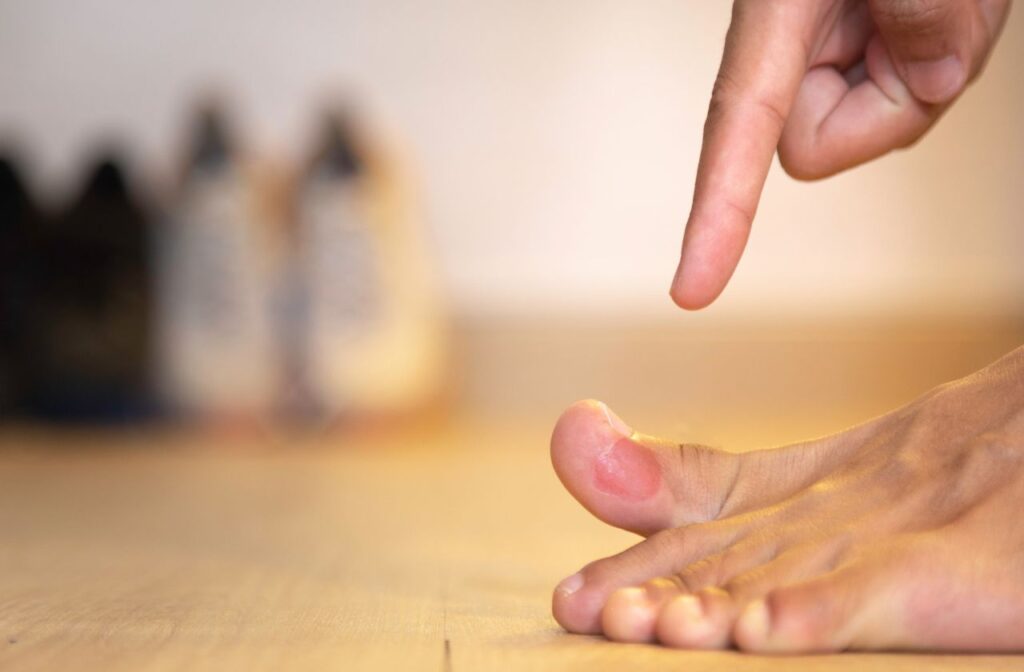
A blister forms when repeated friction causes the top layers of skin to separate. Fluid then fills the space between these layers, creating the familiar bubble under the skin. This process is your body’s natural way of protecting deeper tissue from damage.
Common triggers include:
- New or poorly fitting shoes
- Long walks or runs
- Moist or sweaty feet
- Socks that bunch or rub
- Foot deformities that create pressure points
- High-impact sport or activity
Even though blisters are common, treating them properly is important to avoid infection and prolonged discomfort.
Signs Your Foot Blister Needs Attention
Not every blister requires the same level of care. Mild blisters can often heal quickly, but some need closer management.
Watch for:
- Increasing redness around the blister
- Warmth or throbbing pain
- Cloudy or yellow fluid
- Swelling in the surrounding skin
- Difficulty walking comfortably
If you notice these signs, professional assessment may be helpful.
Step-by-Step Guide on How to Treat Blisters on Feet
Following the correct steps when managing a blister can make a big difference to healing time and comfort.
Step 1: Stop the Friction
The first and most important step in how to treat blisters on feet is removing the cause of rubbing.
You should:
- Change into better-fitting shoes
- Switch to moisture-wicking socks
- Add protective padding to pressure areas
- Reduce high-impact activity temporarily
If friction continues, the blister will worsen or reopen repeatedly.

Step 2: Clean the Area
Keeping the blister clean reduces the risk of infection.
Gently wash the area with:
- Mild soap and water
- Saline solution if available
Pat the area dry carefully. Avoid aggressive rubbing, which can tear the blister roof.
Step 3: Protect the Blister

Most intact blisters heal best when left unpopped and protected.
Helpful options include:
- Hydrocolloid blister dressings
- Gel blister pads
- Soft felt padding
- Non-stick sterile dressings
Protection reduces pressure and allows the skin underneath to repair.
Step 4: Decide Whether to Drain It
One of the most common questions about how to treat blisters on feet is whether to pop them.
In general:
- Small, painless blisters should be left intact
- Large, painful, or high-pressure blisters may need safe draining
- Torn blisters require careful wound care.
- Never remove the overlying skin unless it is already torn or non-viable.
If the blister is interfering with walking, draining may be appropriate when done safely. A podiatrist , GP or nurse practitioner is the best person to do this with sterile equipment, professional dressings and proper aftercare.
Call 1300 76 33 66
Step 5: Reduce Pressure While It Heals
Offloading pressure is essential when learning how to treat blisters on feet effectively.
You can reduce pressure by:
- Wearing cushioned, supportive footwear
- Using donut padding around the blister
- Avoiding barefoot walking
- Modifying activity levels
Without pressure relief, healing slows significantly.

How Long Do Foot Blisters Take to Heal?
Healing time depends on the size and severity of the blister.
Typical timeframes:
- Small intact blisters: 3 to 7 days
- Larger drained blisters: 7 to 14 days
- Torn or infected blisters: may take several weeks
Proper care significantly shortens recovery time.
If your blister is not improving after one to two weeks, further assessment is recommended.

How to Prevent Foot Blisters in the Future
Prevention is just as important as knowing how to treat blisters on feet.
Choose Proper Footwear
Look for shoes that:
- Fit well in the heel and forefoot
- Provide adequate cushioning
- Have minimal internal seams
- Suit your activity type
New shoes should be worn in gradually.
Manage Moisture
Moisture increases friction dramatically.
Helpful strategies include:
- Moisture-wicking socks
- Foot antiperspirant products
- Changing socks during long activities
- Allowing shoes to dry fully between uses
Consider Orthotics if Needed
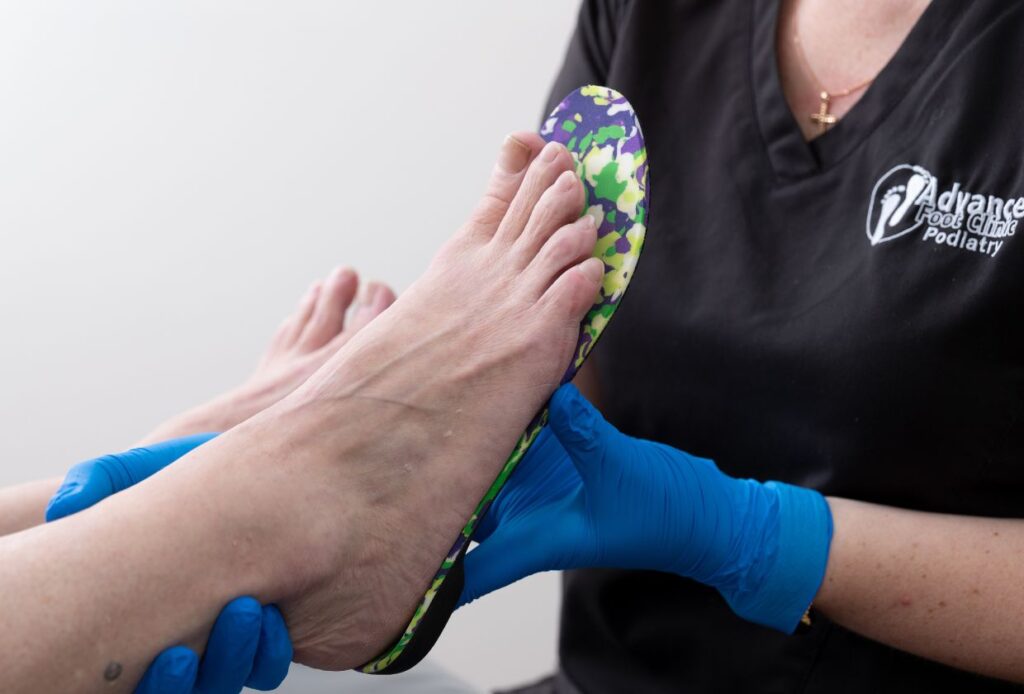
If you have recurring blisters in the same location, there may be an underlying biomechanical issue. Custom orthotics can redistribute pressure and reduce friction points.
Custom orthotics are designed for your particular foot shape, footwear, and use pattern. When correctly prescribed, custom orthotics can reduce the frequency of foot blisters occuring.
How Podiatrists Help with Foot Blisters
Podiatrists play a key role in both treating and preventing foot blisters. They can:
- Assess the root cause of recurring blisters, such as foot structure or gait abnormalities
- Provide safe drainage and professional wound care if a blister is severe or infected
- Recommend custom orthotics to redistribute pressure and prevent friction
- Advise on footwear and socks tailored to your foot shape and activity
- Offer treatment for complications, such as secondary infections or callus build-up
With professional guidance, even stubborn or recurring blisters can heal faster and be less likely to return.

When to see a Podiatrist
You should seek professional podiatry care if:
- The blister becomes very painful
- Signs of infection appear
- Blisters keep coming back
- Walking becomes difficult
- You have diabetes or poor circulation
- The blister is very large or blood-filled
Early treatment can prevent complications and speed up recovery.
While many blisters are minor, ignoring them or treating them incorrectly can lead to infection, deeper skin damage, and recurring problems.
The experienced podiatrists at Advance Foot Clinic Podiatry provide expert blister care across Brisbane and Mount Isa.
Call 1300 76 33 66