




Experiencing a burning sensation in your feet can be both frustrating and concerning. Burning feet are commonly caused by nerve-related problems such as peripheral neuropathy and nerve entrapment, but they can also stem from plantar fasciitis, vitamin deficiencies, overuse, or poorly fitting shoes. For many people, this discomfort disrupts daily life, interfering with activities and affecting sleep, so understanding why the bottoms of your feet burn after walking or at rest is the first step toward the right relief.
If you or someone you know struggles with burning feet, this up-to-date guide is designed to help you understand the most likely causes and what to do next. It explains common triggers behind burning feet, including peripheral neuropathy, tarsal tunnel syndrome, Morton’s neuroma, plantar fasciitis, vitamin deficiencies, and lifestyle factors, along with practical ways to ease symptoms such as better footwear, orthotics, foot elevation, and knowing when to see a podiatrist for chronic pain or nerve pain.
What are the causes of burning feet?

Several factors contribute to that persistent burning sensation in your feet. Here are some of the many possible causes of feet burning.
1. Peripheral Neuropathy
One of the most frequent causes of a burning feeling and severe pain is peripheral neuropathy, a condition resulting from damage to the peripheral nerves. Peripheral neuropathy can be triggered by various health problems and factors, such as diabetes, injury, infections, peripheral artery disease, chronic kidney disease, long-term high blood sugar, or exposure to toxic chemicals (including alcohol use disorder or smoking), and chronic kidney disease can also cause burning sensations in the feet. Diabetic neuropathy, in particular, is a common culprit, as high blood sugar levels can damage the nerve tissue over time, triggering symptoms and leading to you to feel burning and numbness.
Symptoms of Peripheral Neuropathy Include:
-
Tingling or numbness in the feet
-
Sharp, shooting pains or cramps
-
Increased sensitivity to touch
-
Muscle weakness
If you suspect peripheral neuropathy as the cause of your burning, it’s crucial to seek medical advice for effective management and a thorough examination of your medical history.
2. Nerve Entrapment causing burning feet
Nerve entrapment, also known as nerve compression, can lead to a burning sensation. Conditions such as tarsal tunnel syndrome involve compression of the tibial nerve within the tarsal tunnel (located on the inner side of the ankle), and bone spurs can contribute to that compression. This can create symptoms such as a painful, tingling, or burning sensation in the feet and can often worsen with prolonged standing, walking, or certain foot positions.
Morton’s Neuroma is also very common and occurs in the nerves between the toes. More serious injuries, like spinal cord injury or spinal cord compression, may also cause a referred peripheral neuropathy.
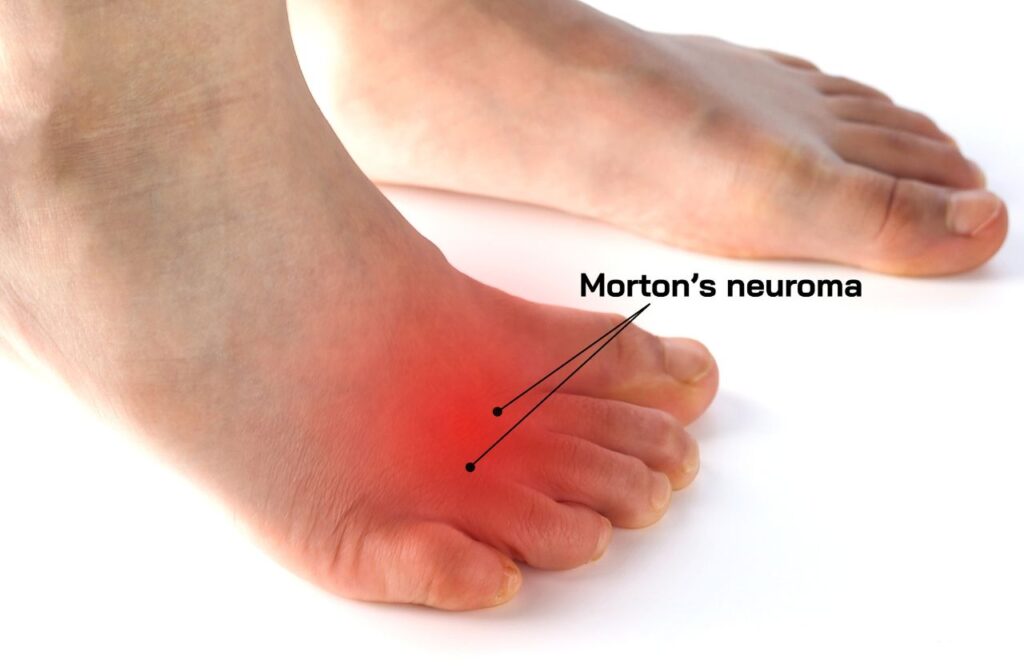
Signs of Nerve Entrapment Include:
-
Localized pain or tingling in feet
-
Swelling around the affected area
-
Worsening discomfort with movement
-
Limited ankle or foot mobility
-
Long-term – muscle weakness and atrophy in feet
3. Plantar Fasciitis and Heel Pain
Plantar fasciitis, a common cause of heel pain, can also lead to a burning sensation in feet, especially in the arch or heel area. This condition occurs when the plantar fascia—a thick band of tissue connecting the heel bone to the toes—becomes inflamed due to overstretching or overuse. Individuals with flat feet, high arches, or those who spend long hours on their feet are at higher risk for developing plantar fasciitis.

Symptoms of Plantar Fasciitis:
-
-
Sharp, stabbing pain near the heel
-
Pain that worsens in the morning or after long periods of rest
-
A burning sensation in the arch or heel
-
Discomfort that intensifies after exercise or prolonged standing
Treating plantar fasciitis can reduce both the heel pain and the burning sensation often associated with it. Treatments may include stretching exercises, wearing supportive footwear, or using orthotics to relieve pressure on the plantar fascia.
-

4. Vitamin Deficiencies
Nutritional Deficiencies in certain vitamins, particularly B vitamins, can contribute to feet burning. Vitamin B12, B6, and folate are crucial for nerve health, and a lack of these nutrients can impair nerve function, leading to a burning sensation. People who follow a restricted diet, experience gastrointestinal issues, have had weight loss surgery, or have certain chronic conditions may be at higher risk for vitamin deficiencies, with gastric bypass being one example linked to nutritional deficiencies that can affect nerve health.
Consider these symptoms if you suspect a vitamin deficiency:
-
Persistent fatigue
-
Muscle weakness or cramps
-
Tingling or numbness in extremities
-
Difficulty concentrating
-
More susceptible to bacterial or fungal infections
Getting adequate vitamins through diet or supplements may help reduce poor nutrition and reduce symptoms of burning in feet.
Common Lifestyle Triggers for Burning Feet
Aside from underlying medical conditions, certain lifestyle factors can also contribute to that uncomfortable feet burning sensation:

1. Poorly Fitting Shoes
Wearing tight or poorly fitted shoes is one of the simplest yet most common causes of feet burning. Shoes that are too tight can constrict blood flow, leading to a build-up of pressure and heat. Over time, this can damage nerves and cause a persistent burning sensation. A common occurrence of this in the forefoot is Morton’s Neuroma.
To reduce the risk of burning in feet caused by poorly fitted shoes:
-
Choose shoes with a wide toe box to avoid squeezing your toes.
-
Opt for shoes with proper arch support.
-
Ensure there’s enough cushioning to absorb impact when walking or standing.

2. Overuse and High-Impact Activities
Engaging in high-impact activities like running, jumping, or even long-distance walking can put excessive strain on your feet. This can lead to temporary feet burning and even inflammation if not managed correctly. Overuse injuries can also cause micro-tears in the muscles, tendons, and ligaments, leading to that burning sensation.
Tips to Avoid Overuse Injuries:
-
Gradually increase the intensity of your workouts.
-
Invest in high-quality footwear with adequate support.
-
Practice stretching and strengthening exercises for your feet.
By following these tips, you can keep your feet healthy and prevent that uncomfortable burning in feet feeling from interrupting your exercise routine.
Practical Solutions for Burning in Feet
If you experience burning in feet, some simple strategies can help provide relief and prevent future episodes. Here’s a list of practical solutions to help soothe and manage this condition:
1. Wear Breathable, Comfortable Footwear
Investing in high-quality, breathable shoes can make a world of difference in preventing feet burning. Keeping feet dry also helps prevent athlete’s foot, a fungal infection that can cause burning and itching. Opt for materials like mesh or leather, which allow your feet to breathe and reduce moisture buildup, since fungus tends to grow in moist areas and in damp shoes.
Consider the following tips when choosing footwear:
-
Avoid shoes made from synthetic materials that trap heat.
-
Choose shoes with a well-padded insole for comfort.
-
Look for orthotic support to help distribute weight evenly.
-
Wear natural fibre socks e.g. 100% cotton and wool.
-
Avoid rapid temperature changes to your feet

2. Take Frequent Breaks to Elevate Your Burning Feet
If you’re on your feet all day, make it a habit to take regular breaks to sit down and elevate your feet. A brief soak in cold water may temporarily relieve pain from burning feet. Elevation helps improve blood flow and reduces swelling, which can help prevent that burning sensation.
To maximize the benefits of elevating your feet:
-
Find a comfortable position to elevate your feet above heart level.
-
Use a footstool or pillow to support your legs.
-
Take at least a 5–10 minute break every couple of hours.
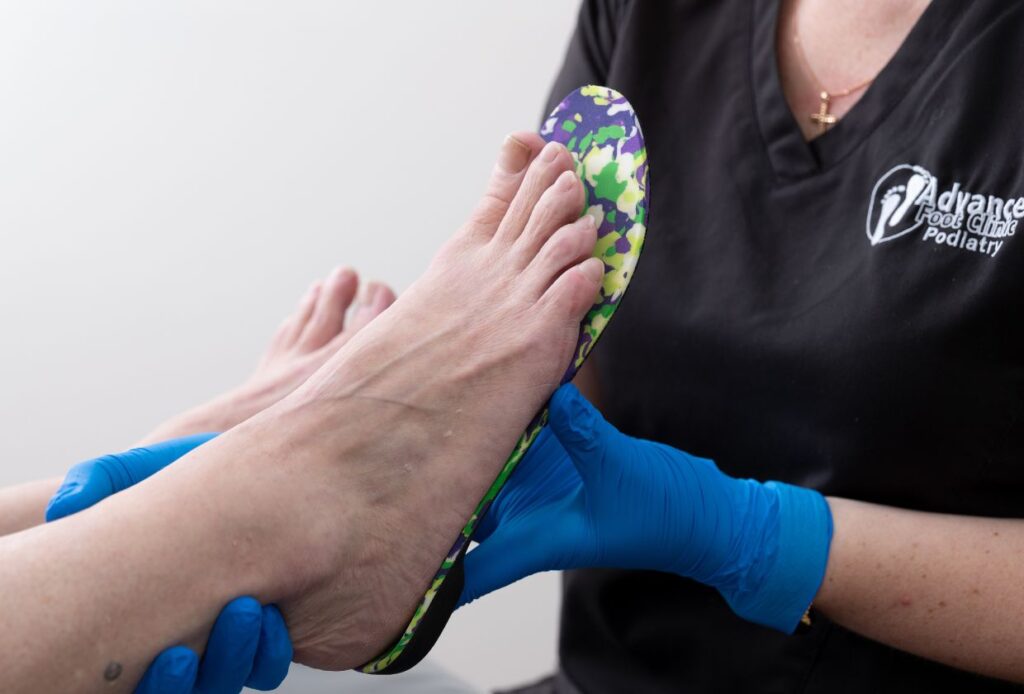
3. Consider Custom Foot Orthotics
Custom orthotics can help manage burning in feet by providing extra support where you need it most. Orthotics are designed to align your feet properly, distribute pressure evenly, and prevent nerve compression.
Visiting a Advance Foot Clinic podiatrist to discuss your options can help you find orthotics tailored to your specific needs.
4. See a Podiatrist for burning feet
If your burning feet symptoms are persistent, severe, or worsening over time, it’s essential to seek professional help to identify the underlying cause, not just ease symptoms. Some cases of burning in feet may require medical intervention, especially if they’re linked to conditions like diabetes, nerve damage, or plantar fasciitis. Burning feet syndrome can describe ongoing symptoms, and rare conditions such as erythromelalgia may also be involved; erythromelalgia is a rare disorder marked by burning pain and increased skin temperature in the feet.
Consult a podiatrist if you notice:
-
Consistent numbness or tingling
-
Difficulty walking due to pain
-
Unexplained changes in foot shape or colour
-
Pain that doesn’t respond to rest or home remedies
An accurate diagnosis helps guide the right diagnosis and treatment plan before burning in feet becomes a chronic issue and may help you find long-term relief

Advance Foot Clinic Podiatrists for Burning in Feet Treatment
Experiencing burning in feet can be distressing, but with the right approach, relief is within reach. By understanding the potential causes and implementing preventive measures, you can manage your symptoms effectively. Remember that small lifestyle adjustments, from choosing the right footwear to practising regular foot care, can go a long way in keeping your feet healthy.
For personalised guidance and tailored treatment, consider reaching out to a podiatrist at Advance Foot Clinic Podiatry. With multiple locations across Brisbane and Mount Isa, our podiatry experts are here to help diagnose the cause of your feet burning and offer effective solutions so you can stay active and comfortable.