

TL;DR (Too Long; Didn’t Read)
- Weak foot muscles can contribute to common types of foot pain, heel pain, arch pain, poor balance, and recurring injuries.
- When the muscles in your feet are not providing enough support, structures like the plantar fascia, Achilles tendon, joints, and soft tissues often compensate, which may increase strain and inflammation over time.
- Common sore feet causes include poor footwear, sudden increases in physical activity, sedentary habits, and reduced natural foot strengthening from modern lifestyles.
- Simple strategies such as strengthening exercises, balance work, gradual activity progression, and supportive footwear can help improve foot stability and function.
- If you are experiencing ongoing pain, repeated injuries, or wondering “why does my foot hurt?”, a podiatrist can help identify the underlying cause and create a personalised treatment plan.
Experiencing ongoing foot pain, heel pain, or recurring injuries that don’t seem to go away?
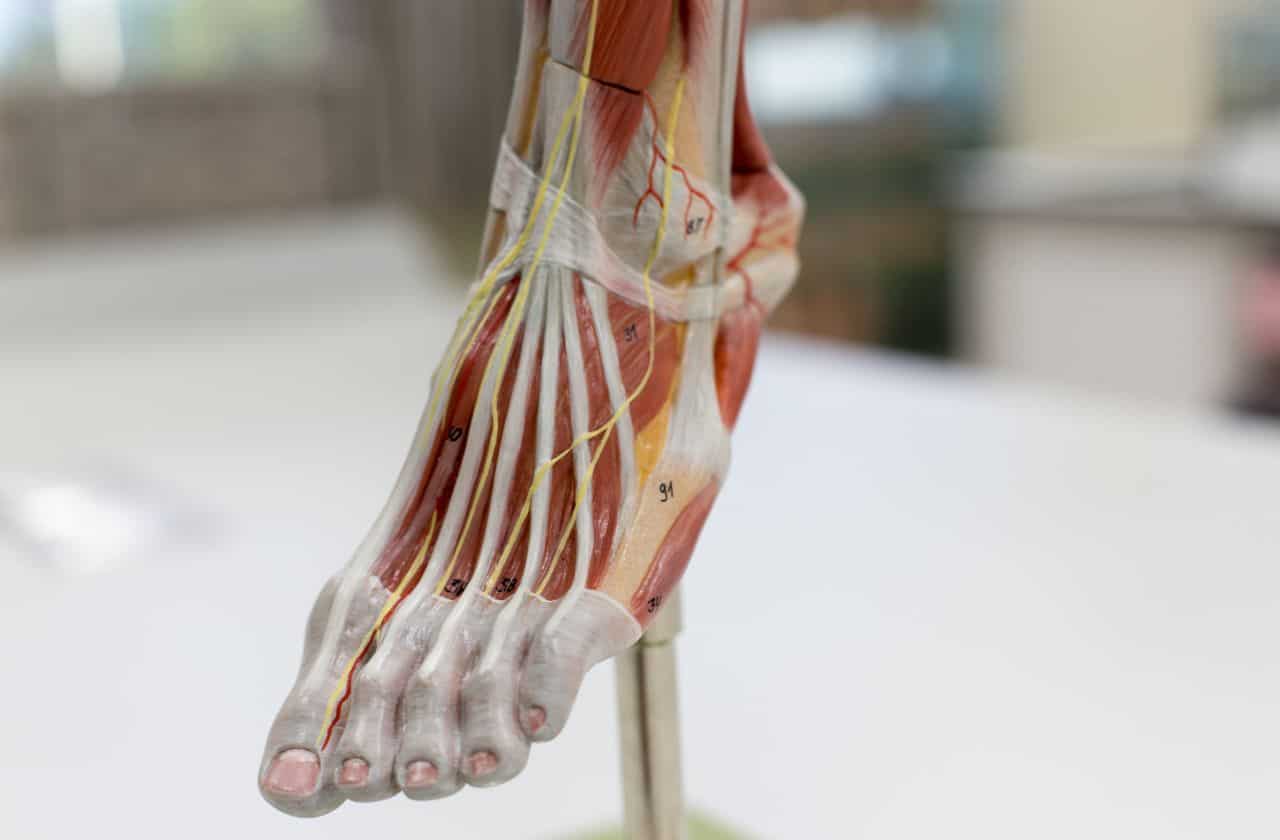
Many people focus on shoes or walking surfaces when asking, “Why does my foot hurt?”, but often overlook the important role of their foot muscles. Your feet contain a complex network of small muscles, connective tissue, joints, and soft tissues that work together to support movement, absorb impact, and maintain balance throughout the body.
When these muscles are not functioning well, the foot can lose stability and efficiency. Over time, this may contribute to different types of foot pain, reduced performance during physical activity, and a greater risk of overuse injury.
“Strong foot muscles play an important role in supporting balance, movement, shock absorption, and long-term foot function. When those muscles weaken, other structures in the foot often compensate, which can contribute to pain and injury over time,” says [Name], Advance Foot Clinic Podiatry
Understanding the connection between muscle weakness and common sore feet causes can help you take steps towards better foot health and injury prevention.
What Happens When Foot Muscles Become Weak?
Your feet contain small stabilising muscles that help control movement, support the arch of the foot, and absorb force while walking, standing, or playing sports.
When these muscles weaken, several things can happen:
- Loss of support in the foot
- Increased strain on ligaments, tendons, and joints
- Reduced shock absorption
- Poor movement patterns
- Increased stress through the heel bone, plantar fascia, and Achilles tendon
- Greater fatigue in the calf muscles and lower legs
Muscle weakness can affect people with:
- Flat feet or fallen arches
- High arches or high arched feet
- Poorly fitting shoes
- Sedentary lifestyles
- Previous injuries
- Long periods of standing or walking
Over time, weak foot muscles can contribute to instability throughout the foot and ankle complex, increasing the likelihood of pain, swelling, and recurring injuries.
How Do Overuse Injuries Occur?
Overuse injuries happen when the same structures are stressed repeatedly without enough support or recovery. When muscles do not do their job properly, other tissues compensate.
Over time, small strains build up and lead to pain and then injury.
This is one of the most common causes of recurring foot problems, particularly in people with active lifestyles or occupations requiring long hours on their feet.
Common triggers include:
- Poor footwear or poorly fitting shoes
- Sudden increases in exercise or physical activity
- Long periods of walking or standing
- Wearing shoes that do not fit properly
- Reduced strength and stability in the feet
- Rapid changes in training load
- Playing sports on hard or flat surfaces
As stress builds through the foot, structures such as the plantar fascia, Achilles tendon, intermetatarsal bursa, and soft tissues may become overloaded. This can eventually lead to inflammation, pain, and tissue irritation. In some cases, severe foot pain may develop gradually. In others, people experience sharp pain during activity or after rest.
Common Conditions Linked to Weak Foot Muscles
Weak foot muscles do not directly “cause” every condition, but they can contribute to poor foot mechanics and increased strain throughout the body.
Plantar fasciitis
Plantar fasciitis occurs when the plantar fascia – the thick band of connective tissue under the foot – becomes irritated or overloaded. Weak foot muscles may reduce support through the arch of the foot, placing extra strain on the plantar fascia and contributing to heel pain or arch pain.
Read more about plantar fasciitis treatment options.
Achilles pain
The Achilles tendon connects the calf muscles to the heel bone. Weak foot muscles can alter walking and running mechanics, increasing stress through the Achilles tendon and contributing to Achilles tendonitis or ongoing ankle pain.
Shin splints
Poor shock absorption and muscle weakness in the foot can affect how force travels through the lower limb. This may increase stress through the shins during running or exercise.
General foot fatigue
Feet that tire quickly during walking, standing, or exercise may indicate reduced muscle endurance or poor foot stability.
Arch pain
Weakness through the muscles supporting the arch of the foot can contribute to arch pain, fallen arches, or strain through surrounding soft tissues.
Other causes of foot pain
There are many other potential foot pain causes, including:
- Morton’s neuroma affecting the third and fourth toes
- Stress fracture of the small bones in the foot
- Tarsal tunnel syndrome
- Heel spurs
- Hallux valgus near the big toe joint (bunions)
- Rheumatoid arthritis
- Diabetic neuropathy and nerve damage
- Ingrown toenails
- Plantar warts
- Pinched nerves
- Forefoot pain involving the ball of the foot
Some conditions may require imaging, such as X-rays, MRI scans, CT scans, or bone scans, to assess the underlying cause properly.
Why This Is So Common Today
Modern lifestyles can reduce the natural demands placed on our feet. Some contributing factors include:
Supportive shoes doing too much work
Highly supportive footwear can sometimes reduce the workload placed on foot muscles over time.
Flat surfaces
Modern environments often involve walking on flat, predictable surfaces that require less natural foot engagement.
Sedentary habits
Long periods of sitting may contribute to reduced strength, mobility, and blood flow through the feet and lower limbs.
Reduced natural strengthening of foot muscles
Compared to previous generations, many people spend less time active or performing varied movement patterns that naturally strengthen the feet.
Signs Your Foot Muscles May Be Weak
Signs of muscle weakness in the feet may include:
- Feet getting tired quickly
- Arch collapse while standing
- Pain after activity
- Difficulty balancing on one foot
- Frequent flare-ups or overuse injuries
- Heel pain or forefoot pain
- Swelling after exercise
- Difficulty maintaining an active lifestyle comfortably
Some people may also notice changes in walking mechanics, recurring ankle pain, or discomfort around the big toe or other toes.
Simple Ways to Support Stronger Foot Muscles
The right approach depends on the individual, their activity levels, foot structure, and overall health. However, some general strategies may help support stronger foot muscles and reduce pain.
Foot strengthening exercises
Simple strengthening exercises can help improve stability and muscle activation in the feet.
Examples may include:
- Towel scrunches
- Toe spreading exercises
- Heel raises
- Controlled balance movements
Balance work
Single-leg balance exercises may help improve coordination and foot stability.
Gradual load increase
Avoid sudden spikes in physical activity. Gradually increasing exercise volume allows tissues time to adapt.
Footwear choices
Shoes should fit properly and provide appropriate support for your foot type and activity level.
Avoid sudden activity changes
Sudden increases in walking, running, or playing sports can overload tissues before muscles are ready to cope.
In some cases, physical therapy, footwear advice, orthotic support, or other foot pain treatment options may also help.
When To Visit an Advance Foot Clinic Podiatrist
While mild discomfort may improve with rest and strengthening, persistent pain should not be ignored.
Consider seeing a podiatrist if you experience:
- Pain that does not improve
- Repeated injuries
- Difficulty walking or running
- Long-term discomfort
- Severe pain or swelling
- Ongoing heel pain or arch pain
- Nerve pain or foot nerve pain symptoms
At Advance Foot Clinic, our podiatrists assess movement patterns, foot structure, footwear, muscle function, and contributing medical conditions to identify the underlying cause of pain.
From there, we can develop a personalised treatment plan that may include:
- Strengthening programs
- Footwear recommendations
- Load management advice
- Orthotic therapy
- Physical therapy guidance
- Treatment options tailored to your lifestyle and goals
Weak foot muscles need attention
Weak foot muscles are often overlooked, but they play a major role in how your feet absorb force, support movement, and manage physical activity.
When those muscles weaken, other structures throughout the foot and lower limb may compensate, increasing the risk of pain, overload, and injury over time.
The good news is that early intervention, proper footwear, gradual strengthening, and professional assessment can all help support healthier movement and reduce recurring pain.
If you have ongoing foot pain, recurring injuries, or are wondering “why does my foot hurt?”, the team at Advance Foot Clinic can help identify the cause and guide you towards the right treatment approach.